English for Kids, Lesson 35: Can and Can’t for Ability
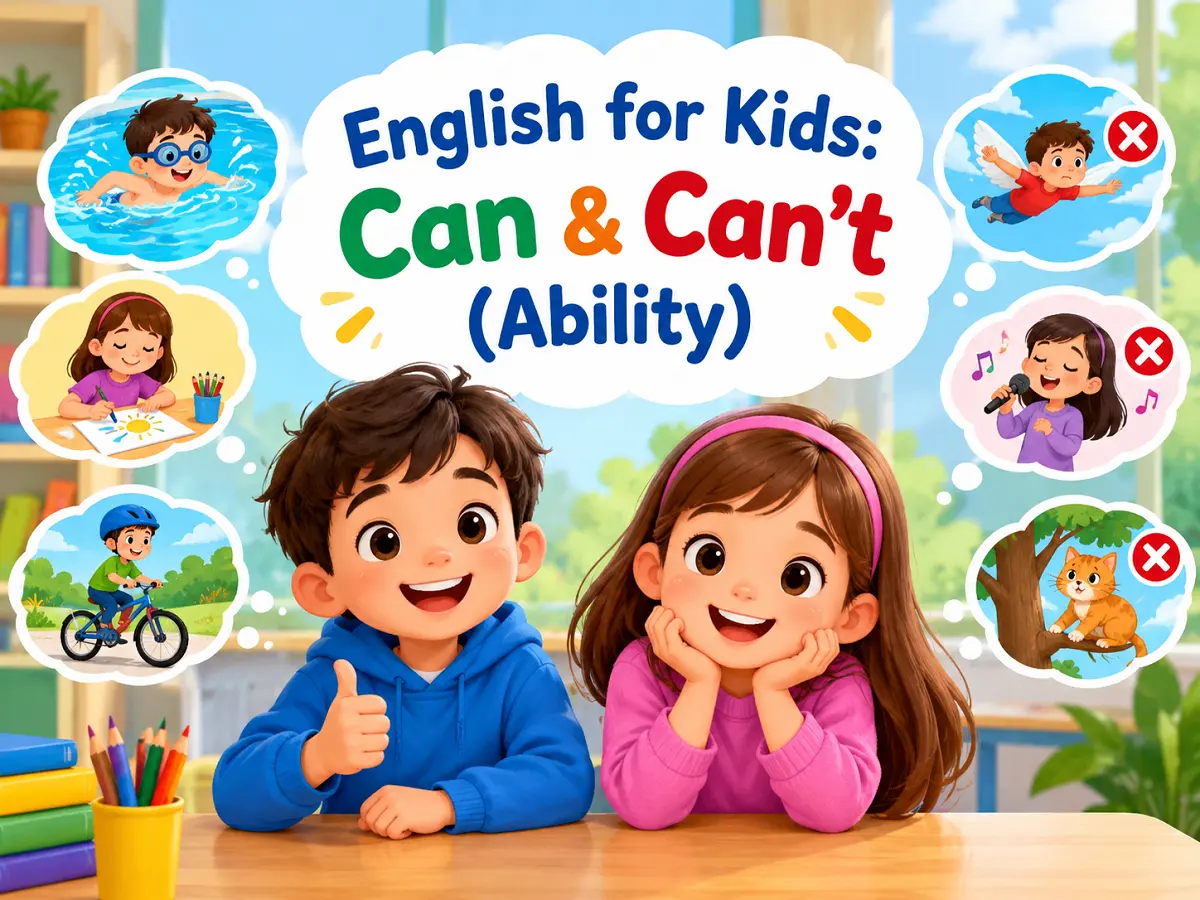
English for Kids, Lesson 35: Can and Can't for Ability

Learn how to use can and can’t to talk about abilities in this English for Kids lesson. Children will practice positive and negative sentences, questions, short answers, and contractions through simple examples and everyday activities. They will also enjoy a reading passage, answer comprehension questions, and learn how to describe what they can and cannot …


Class Activities for Online Language Learning and Social Presence

Class Activities for Online Language Learning and Social Presence

Explore the class activities used in this PhD research on online language learning, interactivity, and social presence. This chapter of the methodology examines four key activities: argue for/against, photo scanning, collaborative writing, and round table discussions. It explains how synchronous and asynchronous communication, peer assessment, learner autonomy, critical thinking, and negotiation of meaning were integrated …

PhD Thesis Methodology: Qualitative Research Design and Procedure

PhD Thesis Methodology: Qualitative Research Design and Procedure

This article presents an excerpt from Dr. Mohammad Hossein Hariri Asl’s PhD thesis, focusing on the methodology of establishing an effective online learning community. It discusses qualitative research design, purposeful sampling, participant selection, and the procedures used in an online English conversation class with 42 students. The study explores content-based instruction, synchronous online learning, and …

Qualitative Data Collection: Interviews, Observation, and Questionnaires

Qualitative Data Collection: Interviews, Observation, and Questionnaires

This article examines three qualitative data collection instruments used in an online language learning study: semi-structured interviews, participant observation, and open-ended questionnaires. It explains how interviews supported grounded theory and the constant comparative method, how observations and audio recordings contributed to triangulation, and how open-ended questionnaires provided richer participant responses. The discussion also covers individual …

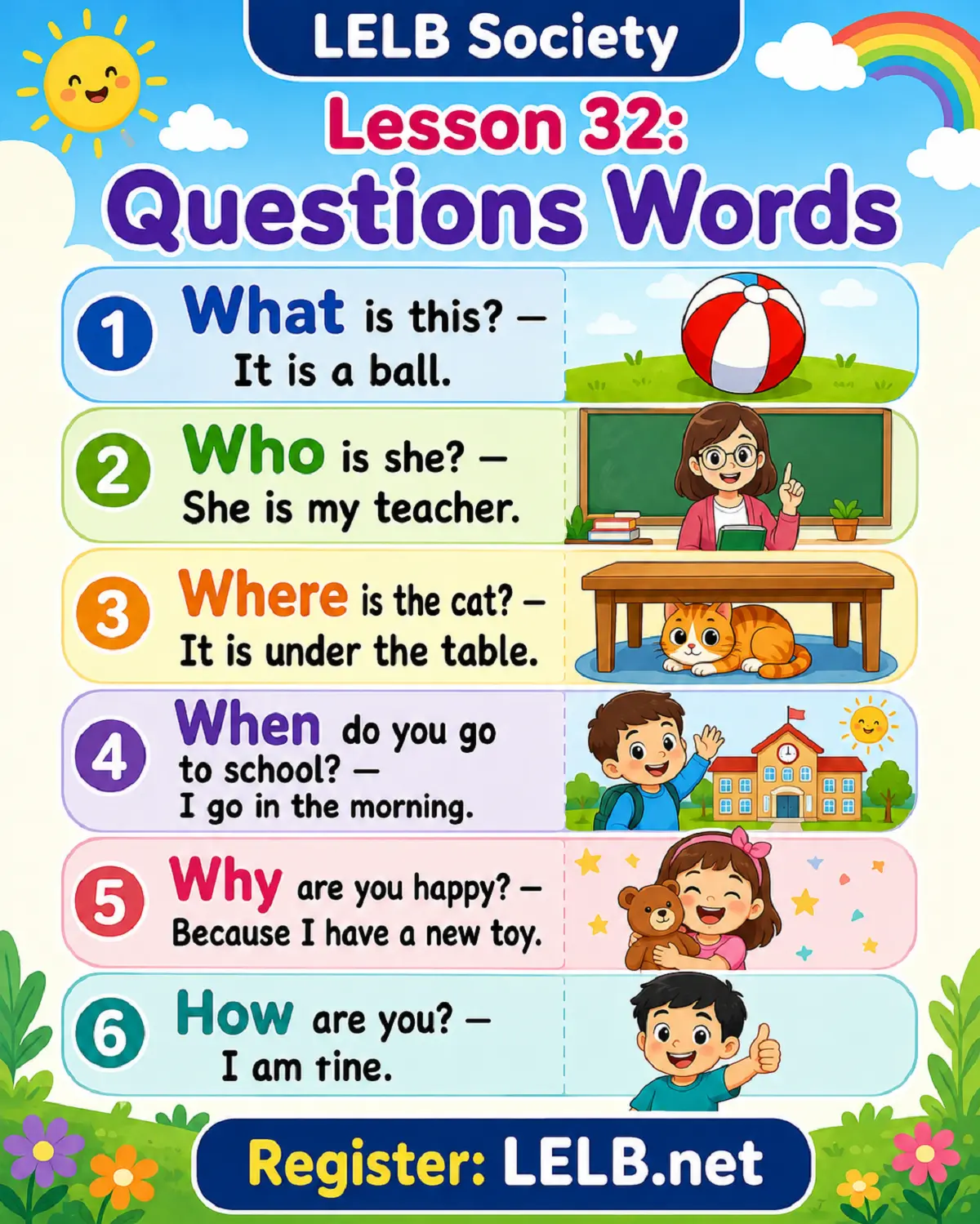
English for Kids – Lesson 32: Question Words with What, Who, Where, etc.

English for Kids - Lesson 32: Question Words with What, Who, Where, etc.

Learn six useful question words in English with this fun lesson for kids. Children will practice What, Who, Where, When, Why, and How through simple questions, answers, pictures, and everyday examples. This lesson helps young learners understand how to ask about things, people, places, time, reasons, and feelings. Kids can also practice reading and answering …

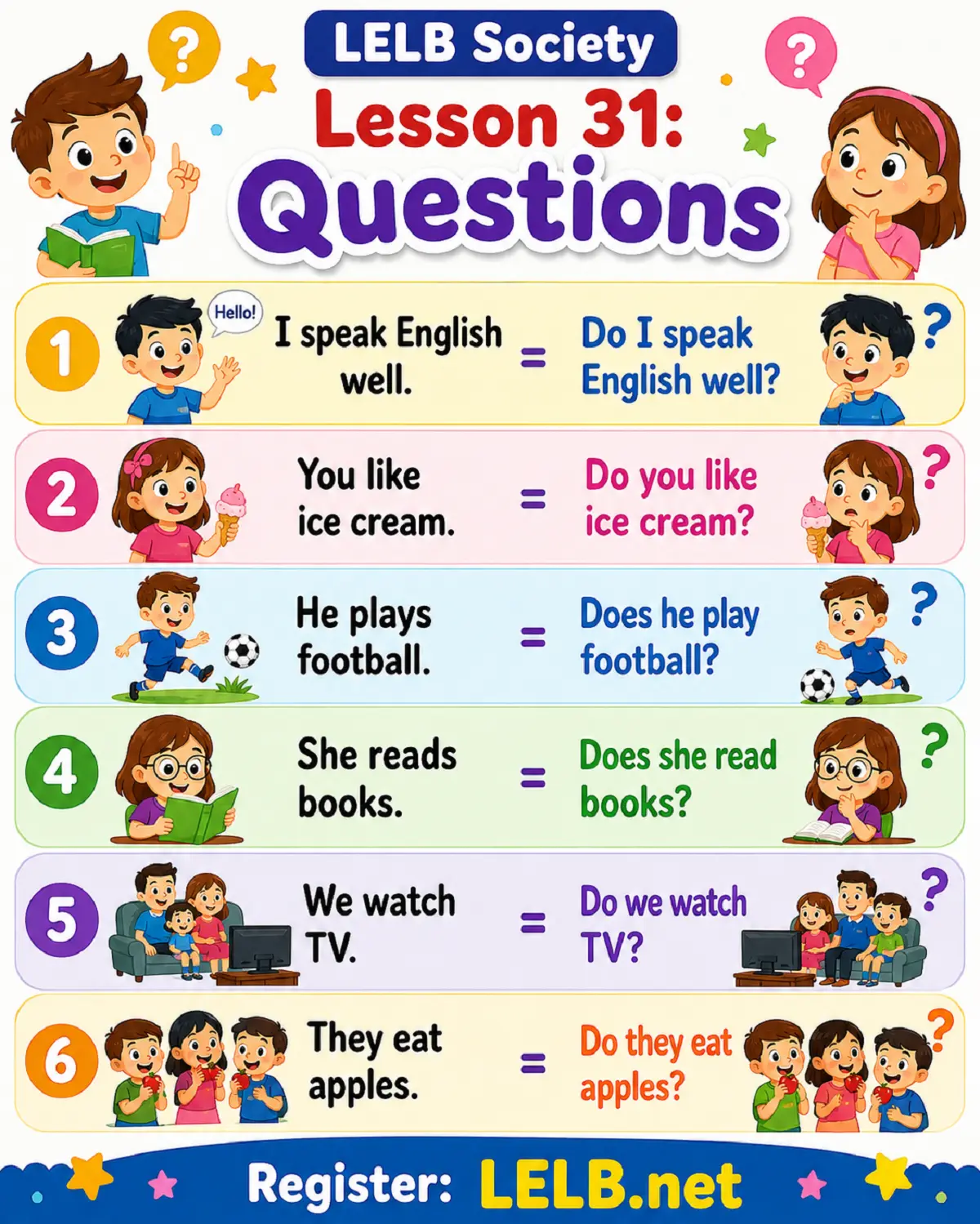
English for Kids – Lesson 31: Questions with Do and Does

English for Kids - Lesson 31: Questions with Do and Does

Learn how to make simple English questions with Do and Does in this fun English lesson for kids. Children will practice question forms with I, you, he, she, we, and they. Through six easy examples about speaking English, ice cream, football, books, TV, and apples, kids can learn when to use Do and Does and …

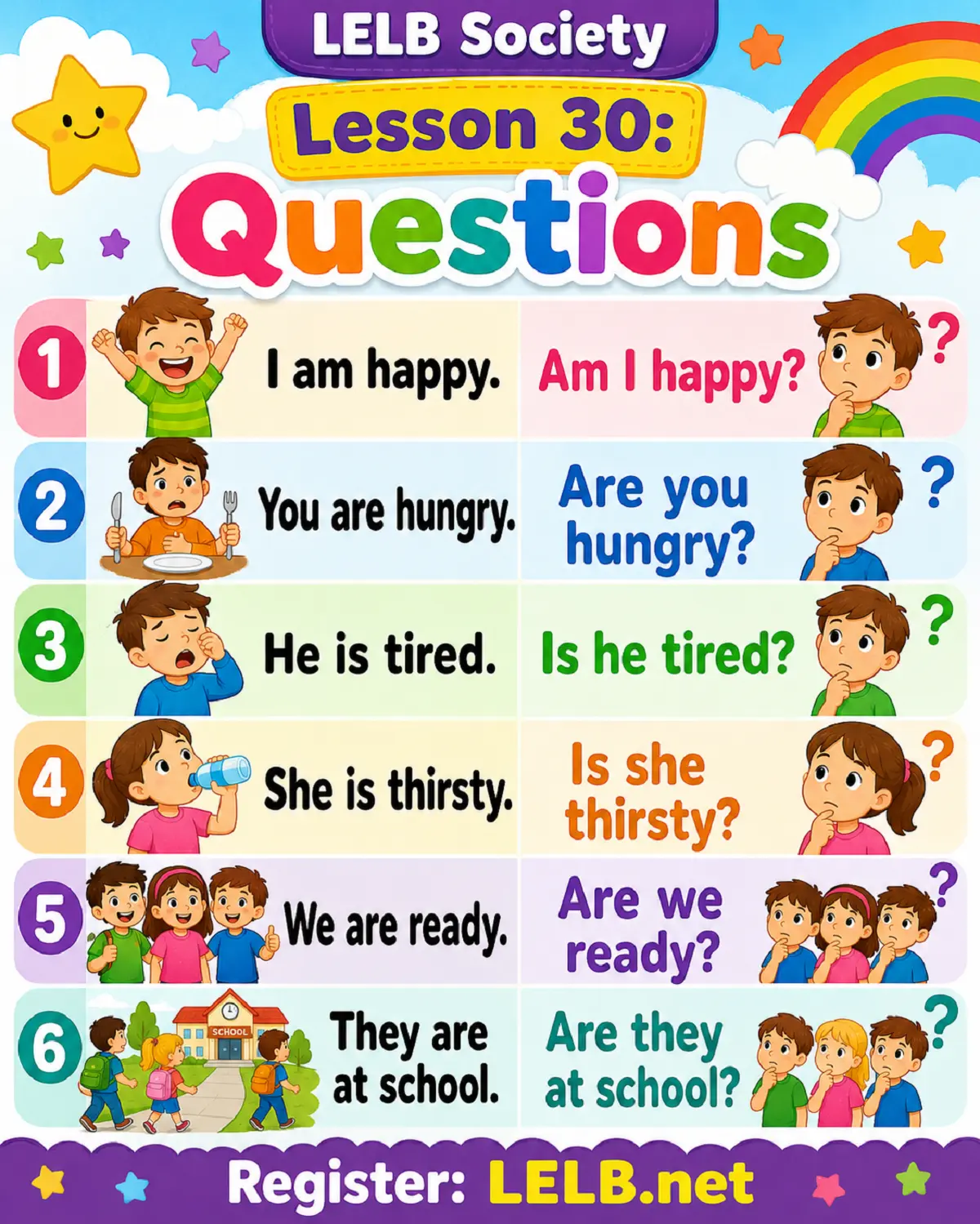
English for Kids – Lesson 30: Questions with Am, Is, and Are

English for Kids - Lesson 30: Questions with Am, Is, and Are

Learn how to make simple questions in English with am, is, and are. In this lesson, kids practice changing statements such as “I am happy” into questions like “Am I happy?” They will also practice questions with you, he, she, we, and they. Colorful examples, simple vocabulary, reading practice, and fun questions help young English …

Why Forums Are Less Important in the Age of AI

Why Forums Are Less Important in the Age of AI

Online forums once played a central role in helping people find answers, solve technical problems, and exchange knowledge. Today, AI tools can provide fast, personalized answers through live conversations, reducing the need for traditional forums. This post explains why forums are becoming less important, why websites should think carefully before installing bbPress on WordPress, and …

Research Questions and Hypotheses on Social Presence in CALL Programs

Research Questions and Hypotheses on Social Presence in CALL Programs

This study explores how Computer-Assisted Language Learning (CALL) can foster stronger social presence, collaboration, and engagement in online English classes. By examining teacher–student interaction, assessment methods, negotiation of meaning, and Content-Based Instruction (CBI), the research identifies strategies for building interactive and supportive learning communities. The proposed research questions and hypotheses aim to highlight the most …

Top 7 Tips for Excelling in Any Interview

Top 7 Tips for Excelling in Any Interview

Navigating interviews can be daunting, but with the right preparation, you can confidently excel in any interview scenario. Whether you’re facing a job interview, an academic assessment like IELTS, or any other type of interview, these top 7 tips will help you shine. Mastering these strategies will not only boost your performance but also leave …