

Declarative Knowledge | TESL Issues
Declarative Knowledge Declarative knowledge is the same as explicit or controlled knowledge, whereas procedural knowledge is the same is implicit […]
Declarative Knowledge Declarative knowledge is the same as explicit or controlled knowledge, whereas procedural knowledge is the same is implicit […]

Inter-group Theory Inter-group Theory Giles and Byrne identified a number of factors that contribute to a group’s ‘ethnolinguistic vitality’—the key […]

Humanistic Language Learning Humanistic Language Learning The best introduction to humanistic learning within language education is Stevick (1997, as cited […]
Interaction Hypothesis Interaction Hypothesis Long’s Interaction Hypothesis, especially the updated version, claims that learners do need to pay conscious attention […]
Output Hypothesis Output Hypothesis Swain’s Comprehensible Output Hypothesis emphasises the importance of consciousness, both in terms of learners’ noticing gaps […]
Conversation Analysis Conversation Analysis Like ‘discourse analysis’, Conversational Analysis provides a tool for conducting micro-analyses of classroom discourse and, in […]
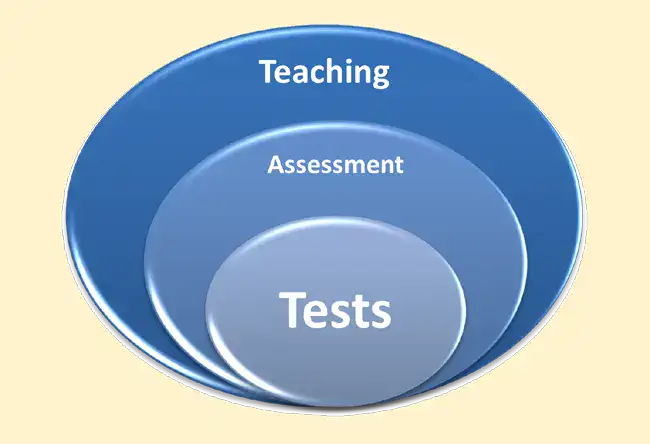
Communicative Language Testing Communicative Language Testing The advent of communicative language testing saw a growing preference for face-to-face interaction as […]

Sociocultural Theory in Language Learning Sociocultural theory is based on work by the Russian psychologist, Vygotsky, and represents a fundamentally […]
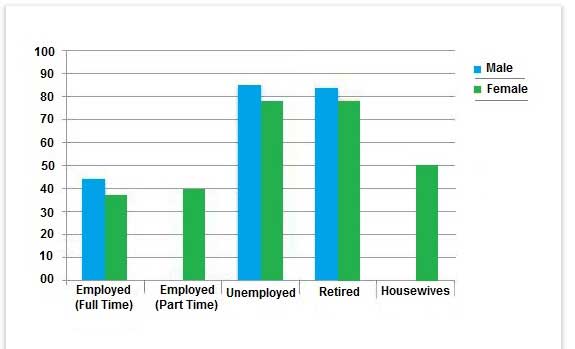
IELTS Writing Task 1 | Leisure Time IELTS Writing Task 1 | Leisure Time ?Instructions: The table, graph or bar […]