

Instrumentation | Research Conduction
Instrumentation Instrumentation or the methods of data collection: Do not purposely start a new page for this section. Type the […]

Instrumentation Instrumentation or the methods of data collection: Do not purposely start a new page for this section. Type the […]

Activity Theory Activity Theory was developed by a group of Russian psychologists called the Kharkovites, of which the best known […]

Chaos Theory Chaos theory was developed from the 1960s work of the meteorologist, Edward Lorenz. Lorenz discovered that a very […]

Complexity Theory Complexity theory is closely linked to chaos theory. Complex systems are random, nonlinear, unpredictable, self-organising, and subject to […]
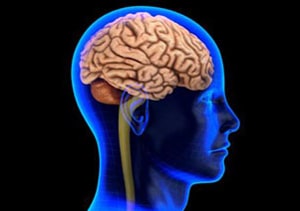
Cortex Cortex or cerebral cortex covers the surface of the brain and is only 2-4 mm (0.08-0.16 inches) thick. It […]

/əˈfeɪ.ʒə/ (noun) Aphasia Aphasia refers to any damage to the left hemisphere that often provokes aphasia (dysfunction in, or loss […]
Dyslexia Dyslexia or (word blindness) is a general term sometimes used to describe any continuing problem in learning to read, […]
Case Study Case study research involves the study of an issue explored through one or more cases within a bounded […]
Grounded theory in research conduction as a qualitative research design Grounded Theory Grounded theory is a qualitative research design in […]