
Rear Window (1954) is a masterpiece of suspense and intrigue, directed by Alfred Hitchcock. This film follows the story of L.B. "Jeff" Jefferies, a photojournalist confined to his apartment with a broken leg, who becomes captivated by the lives of his neighbors as he watches them through his rear window. The film delves deeply into themes of voyeurism, isolation, and the ethical implications of observing others without their knowledge. As Jeff's curiosity turns into obsession, he begins to suspect that one of his neighbors has committed murder, leading to a thrilling and tense unraveling of mystery. In this analysis, we ...
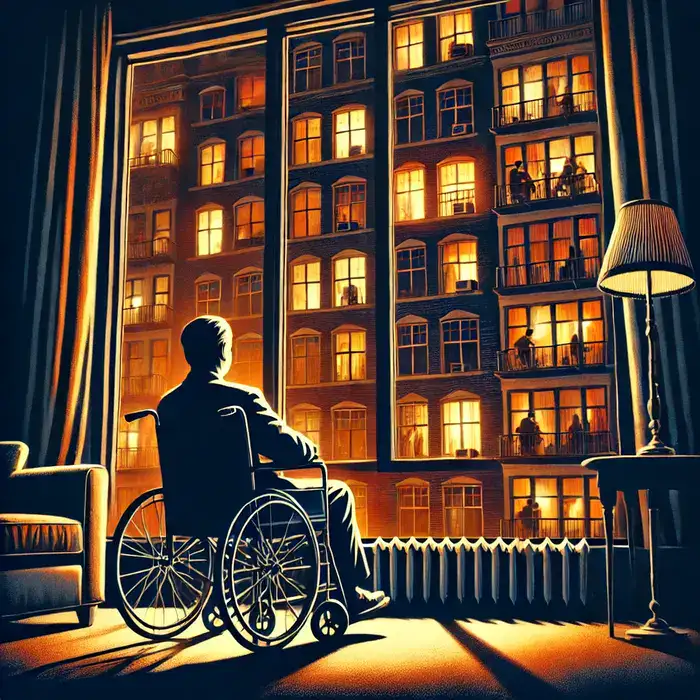
Rear Window (1954) Analysis: Voyeurism and Mystery
About the Author

Related Posts



In “Rear Window,” Hitchcock explores the ethical implications of observing others without their knowledge by showing how Jeff’s voyeurism leads to moral problems and dangerous situations. His actions invade the privacy of his neighbors, raising questions about consent and morality. As he becomes obsessed with watching, he misinterprets situations and ultimately puts himself and others in danger, illustrating the negative consequences of unchecked curiosity and the risks of voyeurism.
Hitchcock’s Rear Window masterfully examines the fine line between curiosity and intrusion, highlighting the ethical dilemmas of voyeurism. Jeff’s obsession with watching his neighbors not only blurs moral boundaries but also distorts his judgment, leading to both false assumptions and real danger. While his observations ultimately uncover a crime, the film questions whether his actions are justified or simply a violation of privacy. This tension keeps the audience engaged, forcing them to reflect on their own role as spectators and the consequences of unchecked curiosity.