
IELTS Listening Practice Organic Food IELTS Listening Practice Organic Food About this activity This activity is labeled round table by Dr. Hariri, the creator and administrator of LELB Society. This activity is on the premise of Flipped Learning, according to which the students watch a video before the class, carry out research into the selected theme, and prepare themselves for an informed discussion in the class. This activity is on the basis of both synchronous and asynchronous computer-mediated communication (CMC), according to which the students are also encouraged to be active even before the class. In this flipped classroom activity, the students are encouraged to utilize the comment form at the bottom of the post to to exchange their questions, findings, and experiences with ...
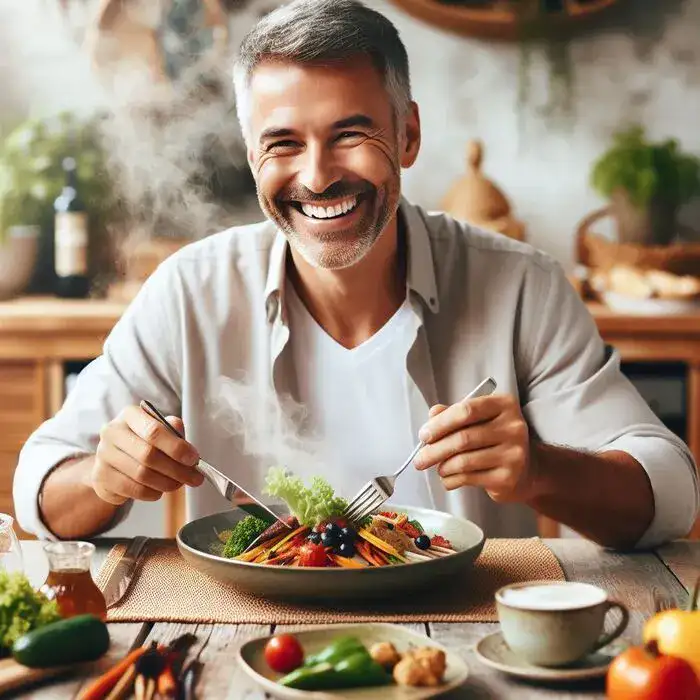
IELTS Listening Practice Organic Food
About the Author

Related Posts
12. What does the following expression imply? [Time 3:53]
11. Why are long-term studies of purely organic diets difficult?
10. What is the meaning of “be-all and end-all”? [Time 3:35]
In the context of organic food, the phrase “be-all and end-all” refers to something that is of utmost importance or the ultimate goal. It means that organic food is often seen as the most important or final solution for people who prioritize health, environmental sustainability, and ethical farming practices. Essentially, it’s the pinnacle or gold standard that some people strive for in their diet and food choices, believing that organic options provide the best possible benefits compared to conventional food.
9. What is the meaning of “free range” written on the labels of food packs?
The term “free range” on food labels typically refers to how animals, particularly poultry, are raised. For chickens and other birds, “free range” indicates that they have access to the outdoors for at least part of the day. This means they are not kept in confined spaces like cages but can roam freely outside, which can lead to better living conditions and more natural behaviors.
8. What will happen if we stop organic farming ?
Corrections:
The question mark “?” should be attached to the last letter.
Can organic food be harmful to us?
7. Can organic food be harmful to us?
Thanks for correcting yourself and putting a number before your question.
6. What factors are effective in our health addition to diet?
Corrections:
in addition to going on a diet
5. Is the organic yield the same as the conventional organization?
Corrections:
organic foods, methods, procedures, etc.
yield the same what?? results, ends, what?
4. Is it correct on the label of organic foods?
What do you mean by that? This question is vague and unclear. You can reply to this question, providing more information.
On the top of this organic food
It must read like this:
3. What benefits does organic diet have on non- organic?
Corrections:
an organic diet
non-organic
2. Why do farmers use pesticides?
Farmers use pesticides to protect their crops from pests, diseases, and weeds, which can significantly reduce crop yields and quality. By controlling these harmful organisms, pesticides help ensure a more stable and abundant food supply. Additionally, they can make farming more efficient by reducing the need for manual labor and other pest control methods. While the use of pesticides can pose environmental and health risks, they are often carefully regulated and applied in ways that minimize negative impacts. The goal is to balance the need for effective pest control with the importance of safety and sustainability.
1. What do organic foods mean?
Organic food is produced without synthetic pesticides, herbicides, fertilizers, or genetically modified organisms (GMOs). Instead, organic farming uses natural methods to enhance soil fertility and control pests.
? Note:
Please let’s not be obsessed by some technical terms in this educational video. Instead, raise your questions by focusing on more general issues.