
Table of Contents
- 1. From Traditional Dictionaries to AI-Powered, Contextual Definitions
- 2. Learning Vocabulary Through Authentic Contexts, Not Isolated Examples
- 3. Making Abstract Vocabulary Understandable Through Visual Dictionaries
- Recent Vocabulary Items with Images
- 4. Building Stronger Vocabulary Connections Through Thematic Categories
- Popular Tags or Keywords in Lessons
- Discovering Related Vocabulary Through Smart Recommendations
- 5. On-Demand Text-to-Speech: Listening Without Pre-Recorded Audio
- 6. From Passive Vocabulary Lookup to Active Learning and Sentence Production
Artificial intelligence is reshaping how learners find definitions, explore vocabulary, and practice language. Discover why traditional dictionaries now share the field with contextual AI tools and why visual learning, authentic examples, thematic organization, on-demand text-to-speech, and learner interaction remain essential. Through a collection of more than 2,900 illustrated vocabulary entries, LELB Society shows how a visual dictionary can turn quick word lookup into a richer, connected, and active learning experience.
Artificial intelligence has significantly changed the way people access information, including the way they learn and explore new vocabulary. In the past, students frequently depended on printed dictionaries and conventional vocabulary resources to understand unfamiliar words and expressions. Today, AI-powered search engines, browser extensions, and text-to-speech applications have made vocabulary exploration considerably faster and more convenient. Nevertheless, the evolution of dictionary use does not necessarily mean that dictionaries have lost their educational value. Instead, it creates new opportunities to rethink how vocabulary should be presented, organized, illustrated, and practiced.
1. From Traditional Dictionaries to AI-Powered, Contextual Definitions
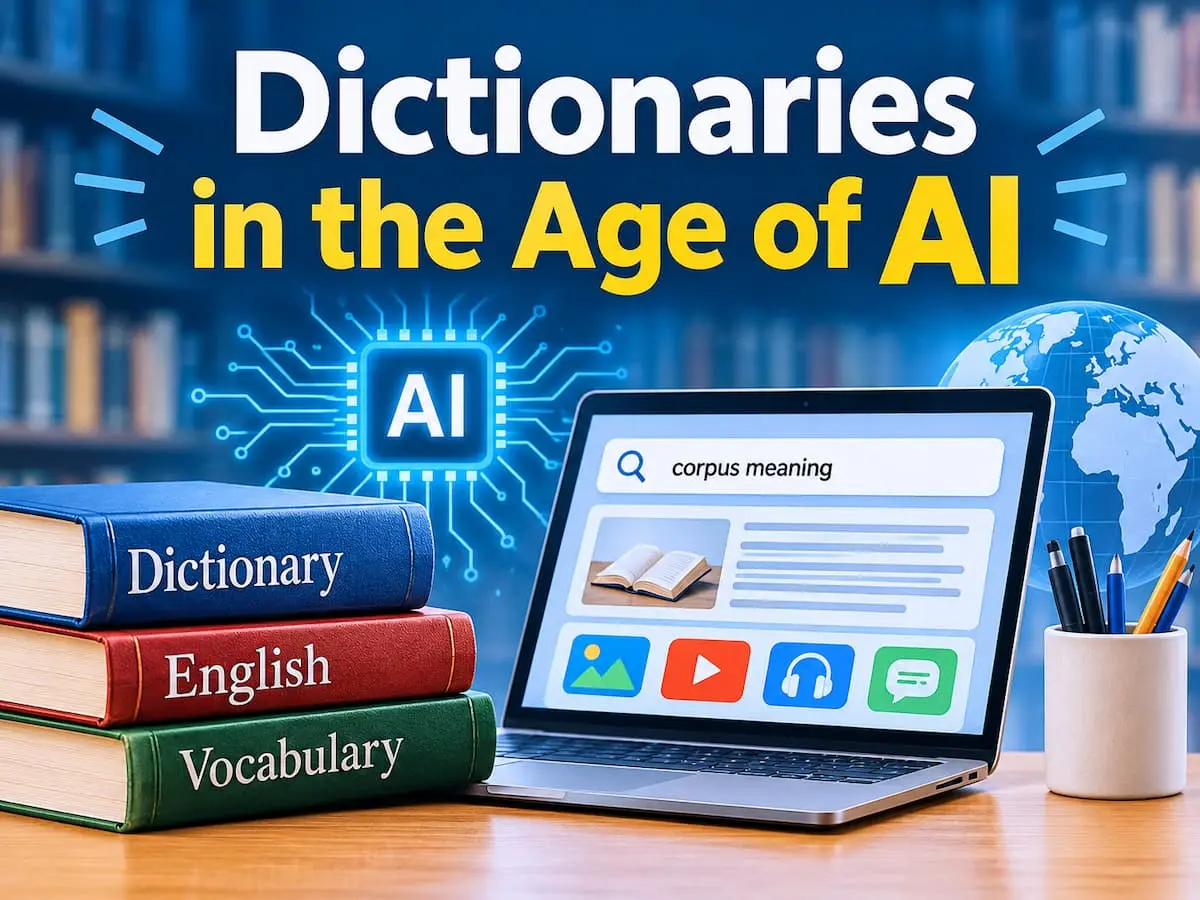
Before the widespread availability of artificial intelligence, learners often had to consult printed dictionaries or browse several online resources to understand an unfamiliar word or expression. Although these resources were useful, finding the precise meaning of a phrase in a particular context could sometimes require considerable time and effort. Nowadays, AI-powered search engines and browser extensions have simplified this process. For example, learners can select an unfamiliar expression while browsing a website and obtain its meaning through a dictionary extension. Similarly, searching for a phrase such as “corpus definition” can produce an AI-generated overview explaining different interpretations and uses of the term.

This development has changed people’s expectations of dictionaries. Rather than searching through lengthy alphabetical entries, users increasingly expect immediate explanations tailored to their particular questions and reading materials. However, AI-generated definitions are not always accurate, and learners should consider context, source reliability, and alternative meanings before accepting an explanation. Traditional dictionaries and professionally developed lexical resources therefore continue to have a role, particularly when users need carefully edited definitions, pronunciation guidance, grammatical information, and established usage conventions. The more important development is that dictionary services must adapt to a learning environment in which instant, contextual information is increasingly accessible.
2. Learning Vocabulary Through Authentic Contexts, Not Isolated Examples
One limitation of many conventional vocabulary resources is their reliance on short, artificially constructed example sentences. Although such sentences can demonstrate basic grammatical patterns and clarify word meanings, they do not always represent the complexity of everyday communication. Learning a new expression through an isolated sentence provides relatively little exposure to how that expression interacts with other words, conveys subtle meanings, or functions within a longer discussion. Reading authentic paragraphs, on the other hand, allows learners to encounter vocabulary in meaningful situations and observe how different expressions work together.

Artificial intelligence makes it possible to generate reading passages containing specific vocabulary items according to learners’ proficiency levels and educational objectives. For example, a student can request a paragraph containing several advanced academic expressions and then use the generated passage for reading comprehension and vocabulary practice. Nevertheless, AI-generated examples should not automatically be considered authentic texts from real-life communication. Their naturalness and accuracy need to be evaluated. At LELB Society, vocabulary learning emphasizes the use of authentic contexts alongside definitions, synonyms, antonyms, and other lexical information. This approach helps learners move beyond memorizing isolated meanings and develop a better understanding of vocabulary in meaningful contexts.
3. Making Abstract Vocabulary Understandable Through Visual Dictionaries
Another important distinction between conventional dictionaries and modern vocabulary-learning platforms concerns the use of visual resources. Traditional dictionaries have generally prioritized written definitions, pronunciation guides, grammatical classifications, and example sentences. Although these features are indispensable, they may not be sufficient to explain particularly abstract or sophisticated vocabulary. Consider words such as camaraderie, aloof, envy, and congenial. Explaining these concepts exclusively through verbal definitions can sometimes be challenging, especially for learners who find visual associations helpful.
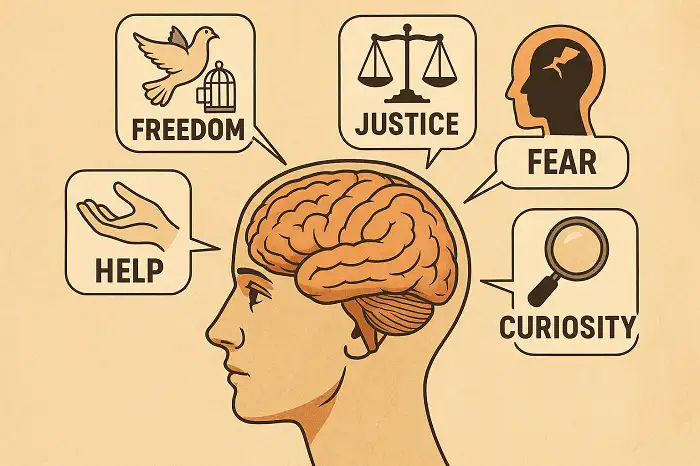
Visual dictionaries attempt to address this limitation by connecting lexical items with expressive images, illustrations, and multimedia resources. A carefully selected picture can make an otherwise intangible concept easier to recognize, interpret, and remember. Videos can further enrich this experience by placing vocabulary within dynamic situations and providing additional contextual clues. LELB Society’s visual dictionary follows this approach by combining illustrated vocabulary with contextual examples and multimedia resources. Its collection of more than 2,900 vocabulary entries demonstrates how visual representation can complement conventional definitions and make even sophisticated academic vocabulary more accessible. Rather than replacing linguistic explanations, images and videos provide another meaningful channel through which learners can understand unfamiliar concepts.
Recent Vocabulary Items with Images
To make vocabulary exploration more engaging and accessible, this article also features a collection of the nine latest entries from LELB Society’s English Vocabulary in Context category. Displayed through a Latest Posts block with their featured images and arranged chronologically, from newest to oldest, these entries provide readers with an immediate opportunity to explore the visual dictionary. This dynamic collection demonstrates how individual vocabulary lessons are presented through expressive imagery and contextual learning while encouraging visitors to discover more words and related concepts across the platform.
- Corpus Definition in Context with Images & Video
- Indubitable Definition in Context with Images & Video

- Comrade Definition in Context with Images & Video

- Guerrilla Definition in Context with Images & Video

- Entre Nous Definition in Context with Images & Video

- Noblesse Oblige Definition in Context with Images & Video

- Envoy Definition in Context with Images & Video

- Gourmet Definition in Context with Images & Video

- Fiancé Definition in Context with Images & Video

4. Building Stronger Vocabulary Connections Through Thematic Categories

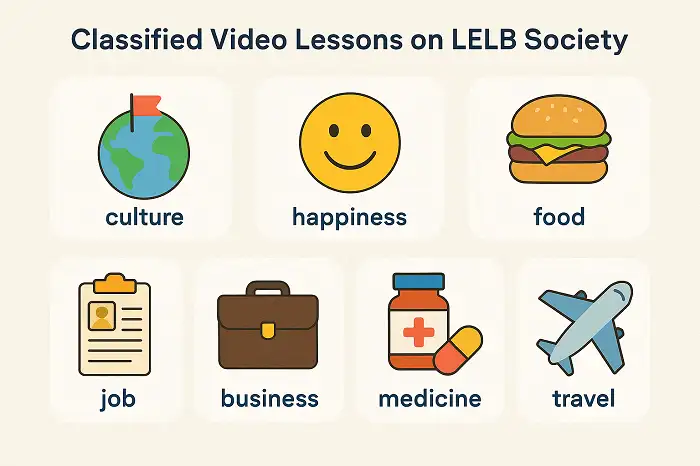
Vocabulary is frequently presented in a discrete and fragmented manner, with individual words introduced and studied independently of one another. Alphabetical dictionaries, for example, organize entries primarily according to spelling rather than conceptual relationships. Although alphabetical organization is convenient for locating specific words, it does not necessarily help learners discover connections among related expressions. A more integrated approach is to organize vocabulary around broader subjects and concepts, such as the following. This thematic organization allows learners to encounter related words within a shared conceptual framework.
Popular Tags or Keywords in Lessons
Aesop's Fables (138) animals (66) education (99) English for business (78) food (80) happiness (61) idiom (157) language (74) learn Persian online (108) legal terms in English (114) medicine (89) money (73) Persian vocabulary (68) psychology (90) Round Table (78) skills (64) success (72) technology (100) time (66) travel (71) آموزش آنلاین فارسی (83) آموزش زبان فارسی به بزرگسالان غیر فارسی زبان (126) آموزش زبان فارسی به نوجوانان در مدرسه آنلاین فارسی (182) آموزش فارسی با داستان های ساده و آموزنده برای کودکان (207) آموزش فارسی با شعر (70) آموزش فارسی به کودکان و خردسالان خارج از کشور (170) آموزش واژگان و اصطلاحات فارسی به غیر فارسی زبانان (119) تمرین خواندن در فارسی (205) تمرین شنیدن در فارسی برای آموزش زبان فارسی به غیر فارسی زبانان (97) تمرین نوشتن در فارسی (74) داستان های ازوپ (138) سطح متوسط فارسی (219) سطح مقدماتی فارسی (129) سطح پیشرفته فارسی (94) ضرب المثل فارسی (72)
At LELB Society, more than 2,900 illustrated vocabulary entries are organized through a comprehensive tagging system developed using WordPress. These tags function as conceptual links between individual vocabulary lessons, enabling students to explore related expressions across different entries. For instance, studying a word associated with human behavior can lead learners to other vocabulary items connected with personality, emotions, relationships, and psychology. Consequently, vocabulary acquisition becomes less fragmented and more interconnected. Instead of memorizing unrelated expressions, learners can gradually develop organized networks of lexical knowledge and strengthen the associations between words and the concepts they represent.
Discovering Related Vocabulary Through Smart Recommendations
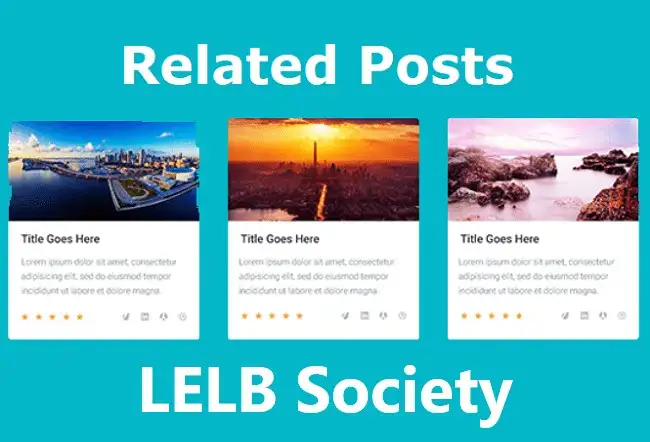
To encourage continuous learning and reinforce conceptual connections, each entry in LELB Society’s English Vocabulary in Context category features three carefully selected Related Lessons at the bottom of the page. These recommendations are generated based on the tags assigned to the current vocabulary entry, helping learners discover other lessons that share related themes, concepts, or subject areas. Accompanied by featured images, these related lessons provide an additional visual pathway for further reading and vocabulary exploration. This interconnected structure makes it easier for students to move beyond individual word definitions and gradually build a broader, more organized network of vocabulary knowledge.
5. On-Demand Text-to-Speech: Listening Without Pre-Recorded Audio
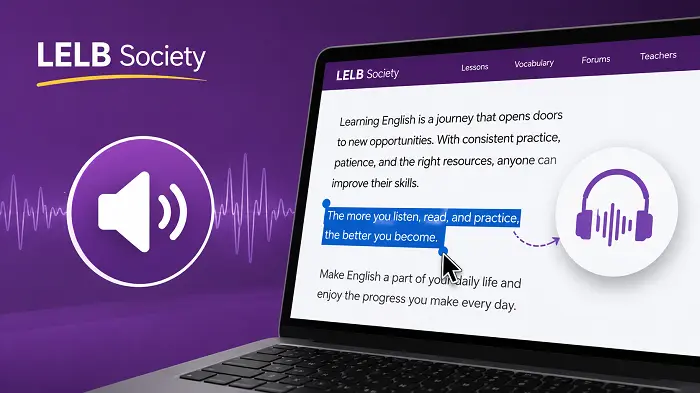
Traditionally, providing audio support for an extensive dictionary required recording individual words, phrases, and example sentences. This process could be particularly demanding when a vocabulary resource contained thousands of entries. Each new word or expression potentially required another recording, editing, and uploading process. Although professionally recorded pronunciation samples remain valuable, the development of AI-driven text-to-speech technology has made audio access considerably more flexible. Modern text-to-speech applications can convert selected written content into spoken language without requiring a separate recording for every vocabulary item.
With these technologies, learners can select an unfamiliar word, phrase, or even an entire paragraph and listen to it almost immediately. The quality of synthesized speech has improved considerably, with many applications offering natural-sounding voices, although pronunciation and prosody can still vary depending on the software and language. At LELB Society, registered members can also select vocabulary items and other written content to listen to on demand. This functionality integrates listening practice with reading and vocabulary development, allowing students to move between written and spoken forms of language without depending on individually recorded audio files for every entry.
6. From Passive Vocabulary Lookup to Active Learning and Sentence Production
Finding a definition and understanding an example do not necessarily mean that a learner has mastered a new vocabulary item. Students may recognize a word while reading but still struggle to use it appropriately in their own writing or conversation. This distinction highlights the importance of productive vocabulary practice. Effective vocabulary acquisition should involve more than receiving information from dictionaries or AI applications. Learners also need opportunities to retrieve newly acquired expressions, construct original sentences, experiment with different contexts, and receive feedback on their language production.

At LELB Society, students are encouraged to participate actively in vocabulary learning by using the comment form located at the bottom of individual vocabulary lessons. They can write their own sentences using the target words, ask questions about unfamiliar expressions, and share their understanding of particular concepts. This interaction transforms vocabulary lessons from static reference materials into opportunities for meaningful language practice. Instead of remaining passive recipients of definitions and examples, learners become active participants in the learning process. By producing original sentences and receiving feedback, they can gradually develop greater confidence in using newly learned vocabulary accurately and naturally.
Ultimately, artificial intelligence has transformed the way people discover, interpret, and practice vocabulary. Instant definitions, contextual explanations, synthetic speech, and customized reading passages have made several traditional dictionary functions more accessible than ever before. However, convenient access to definitions should not be confused with comprehensive vocabulary development. Learners still benefit from authentic examples, meaningful visual representations, conceptual organization, and opportunities to use new expressions independently. The future of vocabulary learning, therefore, is not simply about replacing traditional dictionaries with AI, but about combining technological convenience with thoughtfully designed educational resources. LELB Society’s visual dictionary represents this integrated approach by bringing together contextual vocabulary, expressive imagery, thematic connections, on-demand listening, and active learner participation.