Table of Contents
- Introduction
- 1. Saying Your Name in Persian
- 2. Asking and Answering Questions About Nationality
- Common Nationalities in Persian
- 3. Talking About Your Occupation in Persian
- Useful Sentences About Occupations
- 4. Asking About Age and Place of Residence
- 5. Useful Expressions for Meeting Someone
- 6. A Complete Persian Conversation: Introducing Yourself
- 7. Formal and Informal Persian Introductions
- 8. Practice: Introduce Yourself in Persian
- A Simple Introduction Template
- Conclusion
Learn how to introduce yourself in Persian (Farsi) through practical everyday conversations. In this lesson, you will learn how to say your name, ask someone else’s name, describe your occupation, talk about your nationality and country of origin, and exchange basic personal information. You will also practice useful formal and informal Persian expressions, with English translations and easy pronunciation guides. By the end of this lesson, you will be able to introduce yourself confidently and have a simple introductory conversation with Persian speakers.
Introduction
Introducing yourself is one of the most important skills when learning a new language. Whether you are meeting Persian-speaking people at work, traveling to a Persian-speaking community, attending a social gathering, or making new friends, knowing how to introduce yourself can make communication much easier.
In Persian (Farsi), you can introduce yourself using a few simple expressions about your name, occupation, nationality, and hometown. Some expressions are formal and appropriate for professional situations, while others are more casual and commonly used among friends.
In this lesson, you will learn practical Persian introductions with English translations and pronunciation guides.
1. Saying Your Name in Persian

One of the first things you usually say when meeting someone is your name.
Here are some useful expressions:
| Persian | Pronunciation | English |
|---|---|---|
| اسم من علی است. | Esm-e man Ali ast. | My name is Ali. |
| اسم من سارا است. | Esm-e man Sara ast. | My name is Sara. |
| من علی هستم. | Man Ali hastam. | I am Ali. |
| اسم شما چیست؟ | Esm-e shomā chist? | What is your name? (Formal) |
| اسمت چیه؟ | Esmet chiye? | What’s your name? (Informal) |
| اسم شما چیه؟ | Esm-e shomā chiye? | What’s your name? (Polite spoken Persian) |
Important vocabulary:
- اسم (esm): name
- من (man): I / me
- شما (shomā): you (formal or plural)
- تو (to): you (informal singular)
- چیست (chist): what is (formal)
- چیه (chiye): what is (informal spoken form)
In everyday conversations, Persian speakers frequently use the shorter expression:
من علی هستم. (Man Ali hastam.) — I am Ali.
You do not always need to say “My name is…” to introduce yourself. Simply saying your name followed by the appropriate form of “to be” is perfectly natural.
2. Asking and Answering Questions About Nationality
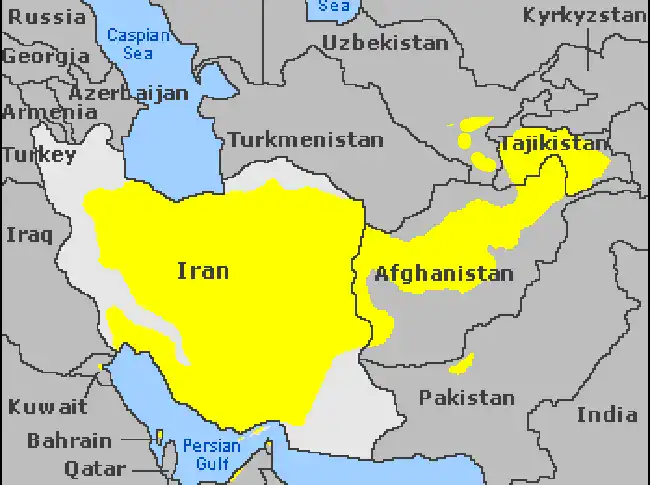
When meeting someone from another country, you might want to ask where they come from or what their nationality is.
These are some essential expressions:
| Persian | Pronunciation | English |
|---|---|---|
| شما اهل کجا هستید؟ | Shomā ahl-e kojā hastid? | Where are you from? |
| اهل کجا هستی؟ | Ahl-e kojā hasti? | Where are you from? (Informal) |
| من اهل ایران هستم. | Man ahl-e Irān hastam. | I am from Iran. |
| من اهل فرانسه هستم. | Man ahl-e Farānse hastam. | I am from France. |
| ملیت شما چیست؟ | Melli-yat-e shomā chist? | What is your nationality? |
| ملیت من ایرانی است. | Melli-yat-e man Irāni ast. | My nationality is Iranian. |
The expression اهل (ahl) is particularly useful. It means “from” or “originally from” when talking about someone’s place of origin.
For example:
- من اهل تهران هستم. (Man ahl-e Tehrān hastam.) — I am from Tehran.
- من اهل پاریس هستم. (Man ahl-e Pāris hastam.) — I am from Paris.
- من اهل لندن هستم. (Man ahl-e Landan hastam.) — I am from London.
Common Nationalities in Persian
Here is a useful list of nationalities for introducing yourself:
| Persian | Pronunciation | English |
|---|---|---|
| ایرانی | Irāni | Iranian |
| آمریکایی | Amrikāyi | American |
| بریتانیایی | Britāniyāyi | British |
| فرانسوی | Farānsavi | French |
| آلمانی | Ālmāni | German |
| ایتالیایی | Itāliyāyi | Italian |
| اسپانیایی | Espāniyāyi | Spanish |
| ژاپنی | Zhāponi | Japanese |
| هندی | Hendi | Indian |
| کانادایی | Kānādāyi | Canadian |
| استرالیایی | Ostorāliyāyi | Australian |
You can use these adjectives in simple sentences:
- من ایرانی هستم. (Man Irāni hastam.) — I am Iranian.
- من فرانسوی هستم. (Man Farānsavi hastam.) — I am French.
- من کانادایی هستم. (Man Kānādāyi hastam.) — I am Canadian.
Notice that Persian nationality adjectives do not change according to the speaker’s gender. The same expression works for everyone.
3. Talking About Your Occupation in Persian

Another common part of introducing yourself is explaining what you do for a living or what you study.
The following Persian words will help you describe your occupation:
| Persian | Pronunciation | English |
|---|---|---|
| معلم | Mo’allem | Teacher |
| دانشجو | Dāneshju | University student |
| پزشک | Pezeshk | Physician / Doctor |
| مهندس | Mohandes | Engineer |
| برنامهنویس | Barnāme-nevis | Programmer |
| کارمند | Kārmand | Employee / Office worker |
| نویسنده | Nevisande | Writer |
| هنرمند | Honarmand | Artist |
| پرستار | Parastār | Nurse |
| بازنشسته | Bāzneshaste | Retired person |
| خانهدار | Khāne-dār | Homemaker |
Useful Sentences About Occupations

| Persian | Pronunciation | English |
|---|---|---|
| من معلم هستم. | Man mo’allem hastam. | I am a teacher. |
| من دانشجو هستم. | Man dāneshju hastam. | I am a university student. |
| من پزشک هستم. | Man pezeshk hastam. | I am a doctor. |
| من مهندس هستم. | Man mohandes hastam. | I am an engineer. |
| من برنامهنویس هستم. | Man barnāme-nevis hastam. | I am a programmer. |
| شغل شما چیست؟ | Shoghl-e shomā chist? | What is your occupation? |
| چه کاره هستی؟ | Che kāre hasti? | What do you do? (Informal) |
A useful conversational tip:
In everyday spoken Persian, people often shorten these sentences:
- من معلمم. (Man mo’allemam.) — I’m a teacher.
- من دانشجو هستم. (Man dāneshju hastam.) — I’m a student.
- من مهندسم. (Man mohandesam.) — I’m an engineer.
The shorter forms are common in casual conversations.
4. Asking About Age and Place of Residence

After exchanging names and occupations, you might want to share a little more personal information.
Here are some useful questions and answers:
| Persian | Pronunciation | English |
|---|---|---|
| چند سال دارید؟ | Chand sāl dārid? | How old are you? (Polite) |
| چند سالته؟ | Chand sālete? | How old are you? (Informal) |
| من سی سال دارم. | Man si sāl dāram. | I am thirty years old. |
| کجا زندگی میکنید؟ | Kojā zendegi mikonid? | Where do you live? (Polite) |
| کجا زندگی میکنی؟ | Kojā zendegi mikoni? | Where do you live? (Informal) |
| من در پاریس زندگی میکنم. | Man dar Pāris zendegi mikonam. | I live in Paris. |
| من در تهران زندگی میکنم. | Man dar Tehrān zendegi mikonam. | I live in Tehran. |
Additional vocabulary:
- چند (chand): how many
- سال (sāl): year
- زندگی کردن (zendegi kardan): to live
- در (dar): in / at
- کجا (kojā): where
Remember that in Persian, the expression “I have thirty years” is the natural way to express your age. You do not need a separate verb meaning “to be” in this construction.
5. Useful Expressions for Meeting Someone
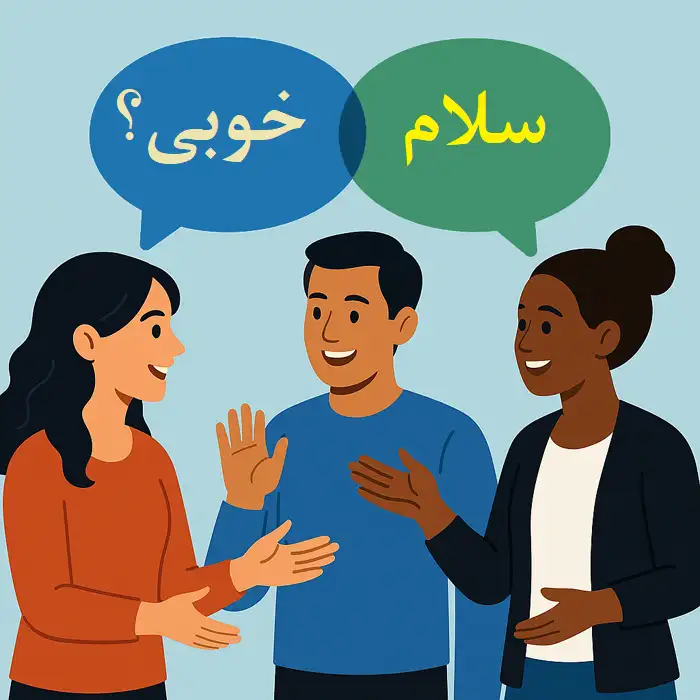
Besides introducing yourself, you should learn how to respond politely when someone introduces themselves.
| Persian | Pronunciation | English |
|---|---|---|
| خوشبختم. | Khoshbakhtam. | Nice to meet you. |
| از آشنایی با شما خوشوقتم. | Az āshenāyi bā shomā khoshvaghtam. | Pleased to meet you. |
| من هم همینطور. | Man ham hamin-tor. | Likewise. |
| شما چطور؟ | Shomā chetor? | And you? / How about you? |
| ممنون، خوبم. | Mamnoon, khoobam. | Thank you, I’m fine. |
| خیلی خوشحال شدم. | Kheyli khoshhāl shodam. | I’m very pleased to meet you. |
The expression خوشبختم (khoshbakhtam) is particularly common and useful. You can use it in both formal and informal introductions.
6. A Complete Persian Conversation: Introducing Yourself

Now, let’s put the expressions you have learned into practice.
Imagine that two people meet for the first time at a social gathering.
Conversation: Ali and Emma
| Speaker | Persian | Pronunciation | English |
|---|---|---|---|
| Ali | سلام! اسم من علی است. اسم شما چیست؟ | Salām! Esm-e man Ali ast. Esm-e shomā chist? | Hello! My name is Ali. What is your name? |
| Emma | سلام! من اِما هستم. خوشبختم. | Salām! Man Emma hastam. Khoshbakhtam. | Hello! I’m Emma. Nice to meet you. |
| Ali | من هم خوشبختم. شما اهل کجا هستید؟ | Man ham khoshbakhtam. Shomā ahl-e kojā hastid? | Nice to meet you, too. Where are you from? |
| Emma | من اهل فرانسه هستم. شما چطور؟ | Man ahl-e Farānse hastam. Shomā chetor? | I’m from France. And you? |
| Ali | من ایرانی هستم. اهل تهرانم. | Man Irāni hastam. Ahl-e Tehrānam. | I’m Iranian. I’m from Tehran. |
| Emma | شغل شما چیست؟ | Shoghl-e shomā chist? | What is your occupation? |
| Ali | من معلم هستم. شما چه کار میکنید؟ | Man mo’allem hastam. Shomā che kār mikonid? | I’m a teacher. What do you do? |
| Emma | من دانشجو هستم و در پاریس زندگی میکنم. | Man dāneshju hastam va dar Pāris zendegi mikonam. | I’m a student, and I live in Paris. |
| Ali | خیلی خوشحال شدم که با شما آشنا شدم. | Kheyli khoshhāl shodam ke bā shomā āshenā shodam. | I’m very pleased to have met you. |
| Emma | من هم همینطور. خداحافظ! | Man ham hamin-tor. Khodāhāfez! | Likewise. Goodbye! |
Conversation notes:
- سلام (salām) is a universal greeting that works in both formal and informal situations.
- شما (shomā) is the polite form of “you.” Use it when meeting someone for the first time.
- من هم (man ham) means “me too” or “I also.”
- شما چطور؟ (shomā chetor?) is a convenient way to return a question to the other person.
- خداحافظ (khodāhāfez) means “goodbye.”
7. Formal and Informal Persian Introductions

Persian speakers often adjust their language depending on their relationship with the person they are talking to.
The following comparison will help you recognize the difference:
| Formal Persian | Informal Spoken Persian | English |
|---|---|---|
| اسم شما چیست؟ | اسمت چیه؟ | What’s your name? |
| اهل کجا هستید؟ | اهل کجا هستی؟ | Where are you from? |
| شغل شما چیست؟ | چه کارهای؟ | What do you do? |
| چند سال دارید؟ | چند سالته؟ | How old are you? |
| کجا زندگی میکنید؟ | کجا زندگی میکنی؟ | Where do you live? |
| خوشبختم. | خوشبختم. | Nice to meet you. |
Important:
Persian has different verb endings and pronouns for formal and informal communication. When speaking with older people, strangers, teachers, or people in professional settings, using شما (shomā) is generally a safe and polite choice.
With friends, family members, and people you know well, تو (to) is more common.
8. Practice: Introduce Yourself in Persian

Now it is your turn!
Use the following questions to introduce yourself. You can answer them aloud or write your answers in Persian.
- اسم شما چیست؟ (Esm-e shomā chist?) — What is your name?
- اهل کجا هستید؟ (Ahl-e kojā hastid?) — Where are you from?
- ملیت شما چیست؟ (Melli-yat-e shomā chist?) — What is your nationality?
- شغل شما چیست؟ (Shoghl-e shomā chist?) — What is your occupation?
- چند سال دارید؟ (Chand sāl dārid?) — How old are you?
- کجا زندگی میکنید؟ (Kojā zendegi mikonid?) — Where do you live?
A Simple Introduction Template
You can use this model to introduce yourself in Persian:
سلام! اسم من [نام شما] است. من اهل [کشور شما] هستم. ملیت من [ملیت شما] است. من [شغل شما] هستم و در [شهر شما] زندگی میکنم. خوشبختم!
Pronunciation:
Salām! Esm-e man [your name] ast. Man ahl-e [your country] hastam. Melli-yat-e man [your nationality] ast. Man [your occupation] hastam va dar [your city] zendegi mikonam. Khoshbakhtam!
English translation:
Hello! My name is [your name]. I am from [your country]. My nationality is [your nationality]. I am a [your occupation], and I live in [your city]. Nice to meet you!
Conclusion
Introducing yourself in Persian does not have to be complicated. By learning a few essential expressions about your name, nationality, occupation, age, and place of residence, you can start meaningful conversations with Persian speakers.
Try practicing the conversations aloud, paying attention to the pronunciation and the difference between formal and informal expressions. You can also replace the names, countries, and occupations in the examples with your own information to create personalized introductions.
The more you practice these everyday expressions, the more naturally you will communicate in Persian!