PhD Thesis on Social Presence, Chapter 4: Sense of Belonging in L2 Learners

PhD Thesis on Social Presence, Chapter 4: Sense of Belonging in L2 Learners

This section of Chapter 4 of my PhD thesis explores how to create a strong sense of belonging among L2 learners in online learning communities. Drawing on students’ feedback and research findings, it examines the role of academic satisfaction, social interaction, collaborative activities, learner autonomy, and shared goals in fostering lasting engagement, a sense of …


PhD Thesis on Social Presence, Chapter 4: Teacher-Student Interaction

PhD Thesis on Social Presence, Chapter 4: Teacher-Student Interaction

This section of Chapter 4 of my PhD thesis examines how teacher-student interaction patterns influence social presence in online language learning. Drawing on participants’ interviews, questionnaires, and classroom observations, it explores teacher immediacy, intimacy, classroom management, learner-centeredness, synchronous and asynchronous communication, peer assessment, and the importance of balancing teacher guidance with learner autonomy in CALL …

PhD Thesis on Social Presence, Chapter 4: Social Context in Online Learning

PhD Thesis on Social Presence, Chapter 4: Social Context in Online Learning

This section of Chapter 4 of my PhD thesis on social presence explores how social context influences interaction and social presence in online language learning. Based on qualitative findings, it discusses learner satisfaction, user-friendly interfaces, friendly learning environments, peer interaction, and the advantages and limitations of voice and video conferencing in computer-assisted language learning (CALL). …

Limitations & Delimitations of a PhD Thesis on Social Presence

Limitations & Delimitations of a PhD Thesis on Social Presence

This post discusses the limitations and delimitations of my PhD thesis investigating social presence and interactivity in online second language (L2) learning communities. It examines challenges such as technical difficulties, unreliable internet connections, time-zone differences, cultural conflicts, learner attitudes, and limited collaboration. The post also explains the study’s deliberate focus on intermediate and advanced English …

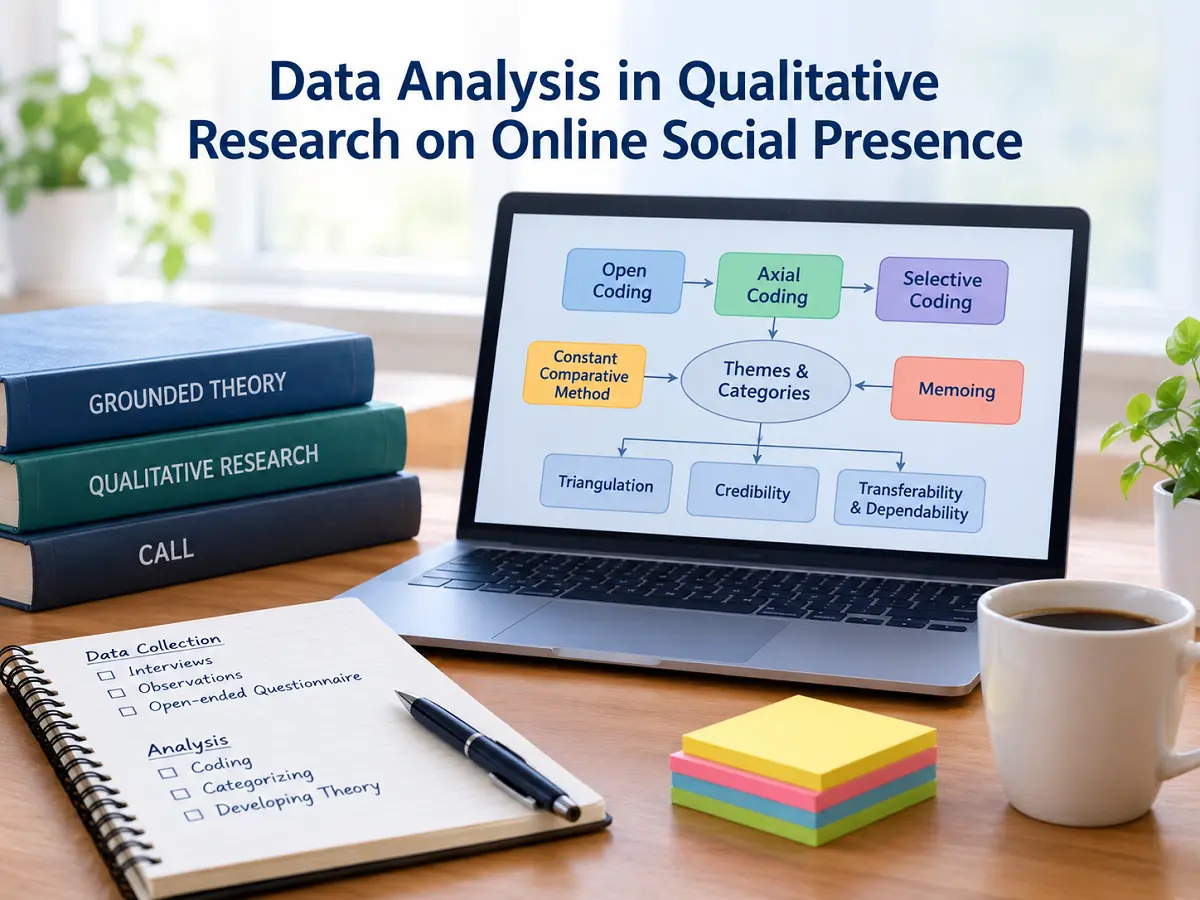
Data Analysis in Qualitative Research on Online Social Presence

Data Analysis in Qualitative Research on Online Social Presence

This post explores the data analysis methods used in my PhD study on social presence in computer-assisted language learning (CALL) and online learning communities. It explains grounded theory, including open, axial, and selective coding, constant comparative analysis, and memoing. The post also examines the researcher’s role as a participant-observer, data triangulation through observations, interviews, and …

Class Activities for Online Language Learning and Social Presence

Class Activities for Online Language Learning and Social Presence

Explore the class activities used in this PhD research on online language learning, interactivity, and social presence. This chapter of the methodology examines four key activities: argue for/against, photo scanning, collaborative writing, and round table discussions. It explains how synchronous and asynchronous communication, peer assessment, learner autonomy, critical thinking, and negotiation of meaning were integrated …

Qualitative Research Methodology in Online English Learning

Qualitative Research Methodology in Online English Learning

This article presents the methodology of a qualitative study investigating social presence and interactivity in online English learning. It discusses the rationale for adopting qualitative research, participant selection, sampling strategies, instrumentation, and the use of grounded theory. The study examines iteration, saturation, criterion sampling, snowball sampling, semi-structured interviews, memo-writing, constant comparative analysis, and the researcher’s …

Criticisms and Challenges of Computer-Assisted Language Learning

Criticisms and Challenges of Computer-Assisted Language Learning

Computer-Assisted Language Learning (CALL) offers significant opportunities for language education, but it also faces important pedagogical, technical, methodological, and learner-related challenges. This article examines major criticisms of CALL, including the novelty effect, overemphasis on technology, inadequate learner-centeredness, limited attention to learning styles, right-to-left language challenges, material development issues, and insufficient collaboration and integration. It also …

Negotiation of Meaning in Second Language Learning

Negotiation of Meaning in Second Language Learning

Negotiation of meaning plays a central role in second language learning by promoting comprehension, interaction, feedback, pushed output, and noticing. This article explores how negotiation supports SLA in educational settings and examines the role of computer-mediated communication (CMC), online discussions, synchronous tasks, and CALL in facilitating meaningful interaction. Drawing on research by Long, Pica, Warschauer, …

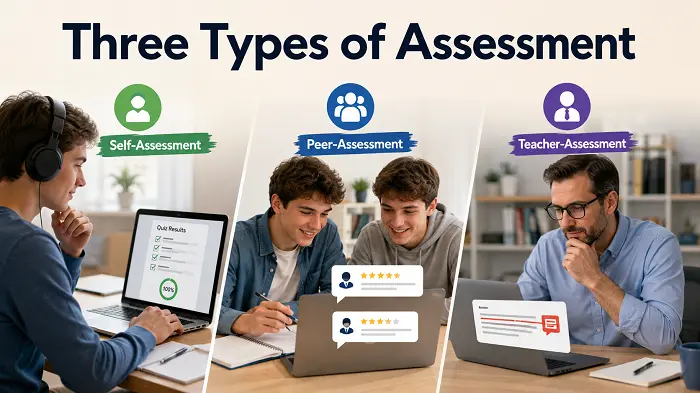
Three Types of Assessment in Computer-Assisted Language Learning

Three Types of Assessment in Computer-Assisted Language Learning

Explore three important types of assessment in computer-assisted language learning (CALL): self-assessment, peer-assessment, and teacher-assessment. This article examines how digital tools, learning management systems, online peer review, digital portfolios, grammar checkers, and teacher feedback can support language learning. It also discusses learner autonomy, collaboration, negotiation of meaning, error correction, and the role of technology in …