Dr. Mohammad Hossein Hariri Asl is an English and Persian instructor, educator, researcher, inventor, published author, blogger, SEO expert, website developer, entrepreneur, and the creator of LELB Society. He's got a PhD in TEFL (Teaching English as a Foreign Language).
User Activity Overview
Member since: July 6, 2015
Posts: 4243
Comments: 4070
Forum Topics: 171
Forum Replies: 400
Total Points: 13128
Learning Progress: 100%
Badge: 🏆 Master Achiever
Dr. Mohammad Hossein Hariri Asl
Dr. Mohammad Hossein Hariri Asl is an English and Persian instructor, educator, researcher, inventor, published author, blogger, SEO expert, website developer, entrepreneur, and the creator of LELB Society. He's got a PhD in TEFL (Teaching English as a Foreign Language).
Omnivorous Omnivorous /ɒmˈnɪv.ər.əs/ (adj) Omnivorous definition Omnivorous means to be both herbivorous and carnivorous simultaneously. Therefore omnivorous creatures can supply their sustenance through flesh and plants, eating any type of food: Example Humans are omnivorous due to their intrinsic nature. Omnivorous animals have a diverse diet that includes both plant and animal matter, allowing them …
Herbivore Herbivore /ˈhɜː.bɪ.vɔːʳ/ (noun) Herbivore definition an animal that only feeds on plants like elephants: Example Herbivores seem less dangerous to human beings. The only threat can be raised by approaching the massive ones. Animals can be classified into three main dietary groups: herbivores, carnivores, and omnivores. Herbivores, such as cows and rabbits, primarily consume …
Gluttonous Gluttonous /ˈglʌt.ən/ (adj) eating food greedily – having a voracious appetite, insatiable, excessive, desirous: Obesity is the least concomitant of being gluttonous. Why is gluttony a bad habit? Being gluttonous, or consuming food in excessive amounts, poses significant health risks. Overeating can lead to obesity, which is associated with a range of serious health …
Devour Devour /dɪˈvaʊəʳ/ (verb) to eat something hungrily – gulp down – consume – read and absorb something voraciously – destroy, raven, gobble: Devour means to eat something eagerly, but it can be used in situations where there is a great keenness to do an activity. It also refers to situations where someone is filled …
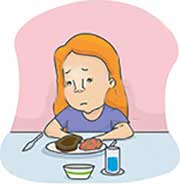
Anorexia Anorexia /ˌænəˈreksɪə/ (noun) Anorexia is a mental ailment that subjects the sick person to enduring starvation – appetite loss – persistent loss of appetite: The nutritionist prescribed some special medications for his Chronic anorexia. What is anorexia? Anorexia, short for anorexia nervosa, is a serious eating disorder characterized by an intense fear of gaining …
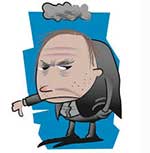
Pessimistic Pessimistic /ˌpes.ɪˈmɪs.tɪk/ (adj) doubtful and negative, incredulous, cynical, distrustful, suspicious, dubious and unconvinced: Pessimistic people are so toxic. Pessimistic people Pessimistic people often view the world through a lens of negativity, focusing on potential problems and worst-case scenarios. Their outlook can make them cautious and sometimes hesitant to take risks, as they anticipate unfavorable …
Skeptical Skeptical /ˈskep.tɪ.kəl/ (adj) cynical, doubtful and unconvinced, pessimistic and negative, incredulous, disbelieving, doubting, distrustful, dubious, questioning, suspicious: The test result`s led them to being skeptical about their chance of eliminating the disease. The teacher was so skeptical of her proposal that she couldn’t see the genuine value in her ideas. Skeptical people Skeptical people …
Upbeat Upbeat /ʌpˈbiːt/ /ˈ–/ (adj) optimistic and cheerful, positive and buoyant, jaunty, sanguine, full of hope, hopeful, happy: Her upbeat attitude towards work was affecting his colleagues. Hanging around with upbeat people can push you forward in your life. Upbeat people are often a ray of sunshine in our daily lives. Their positive energy and optimistic outlook …
Morose Morose /məˈrəʊs/ (adj) gloomy and bad-tempered, unhappy and depressed, downbeat, down in the dumps, miserable, pessimistic, dejected, doleful: Jack seems very morose and gloomy ever since he lost his wife in a car accident. After hearing the news of his friend’s departure, John became morose, his usual cheerful demeanor replaced by a deep sadness. …
Come to a halt (verb) Come to a halt (verb) stop moving or continuing, shut down, come to rest, come to a stop, come to a standstill, stop dead, cease: Come to a halt in context All of his enthusiasm suddenly came to a halt when he realized that he had failed the exam. In …