Table of Contents
- Video of Hafez Poem: The Blessing of Seeing the Beloved
- Hafez Poem: The Blessing of Seeing the Beloved with English Translation
- About This Poem by Hafez
- Linguistic Notes on Classical Persian Vocabulary
- Sufi Symbolism and Spiritual Themes
- Why Hafez’s Ghazals Help Persian Learners
- Historical Context: Who Was King Yahya?
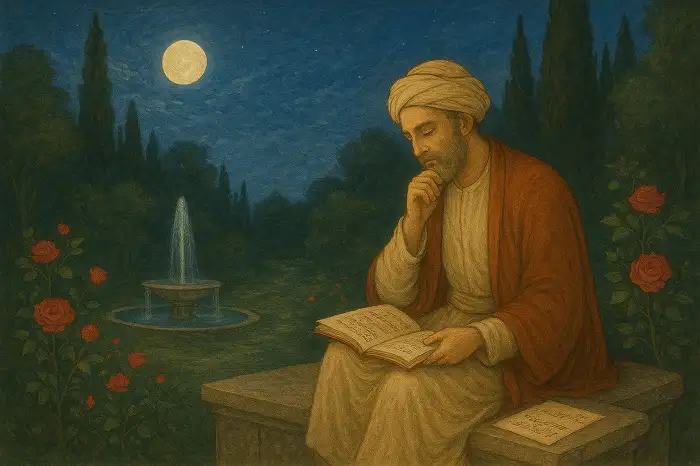
In this post, listen to Dr. Alireza Peyman’s narration of one of Hafez’s most beloved ghazals, “Dani ke chist dolat?” (“Do you know what fortune is?”). This timeless Persian poem reflects the joy of love, divine beauty, and the fleeting nature of life. Below, you’ll find the original verses in Persian, phonetic pronunciation, and accurate English translations for learners of Persian poetry.
Video of Hafez Poem: The Blessing of Seeing the Beloved

Hafez Poem: The Blessing of Seeing the Beloved with English Translation
دانی که چیست دولت؟ دیدار یار دیدن
Dāni ke chist dowlat? Didār-e yār didan
Do you know what fortune is? It is to see the face of the beloved.
در کوی او گدایی، بر خسروی گزیدن
Dar kūy-e ū gadāyi, bar khosravī gozidan
In his alley, to choose beggary over kingship.
از جان طمع بریدن آسان بود ولیکن
Az jān tama‘ boridan āsān bovad valīkan
To give up worldly desires is easy, but—
از دوستان جانی، مشکل توان بریدن
Az dustān-e jāni, moshkel tavān boridan
To part from soul–friends is almost impossible.
خواهم شدن به بستان، چون غنچه با دلِ تنگ
Khāham shodan be bostān, chun ghonche bā del-e tang
I wish to go to the garden, tight-hearted like a bud—
وآنجا به نیکنامی، پیراهنی دریدن
Vānjā be nik-nāmi, pirāhani daridan
And there, in good repute, to tear my garment in ecstasy.
گه چون نسیم با گل، راز نهفته گفتن
Gah chun nasim bā gol, rāz-e nehofte goftan
At times, like the breeze, whispering hidden secrets to the rose—
گه سِرّ عشقبازی، از بلبلان شنیدن
Gah serr-e eshqbāzi, az bolbolān shenidan
At times, learning the mystery of love from the nightingales.
بوسیدن لب یار، اول ز دست مگذار
Busidan-e lab-e yār, avval ze dast magzār
Do not neglect the first chance to kiss the beloved’s lips—
کآخر ملول گردی، از دست و لب گزیدن
Ke ākhar malūl gardi, az dast o lab gazidan
For in the end, you’ll grow weary of biting your hand and lip in regret.
فرصت شمار صحبت، کز این دوراهه منزل
Forsat shemār-e sohbat, ke az in dorāhe-ye manzel
Value the time of companionship, for from this crossroads of life—
چون بگذریم دیگر، نتوان به هم رسیدن
Chun bogzarim digar, natavān be ham residan
Once we pass, we shall never meet again.
گویی برفت حافظ، از یاد شاه یحیی
Guyi berafte Hāfez, az yād-e Shāh Yahyā
They say Hafez has slipped from the memory of King Yahya—
یا رب به یادش آور، درویش پروریدن
Yā Rab, be yādash āvar, darvish parvaridan
O Lord, remind him of the virtue of cherishing the humble.
About This Poem by Hafez
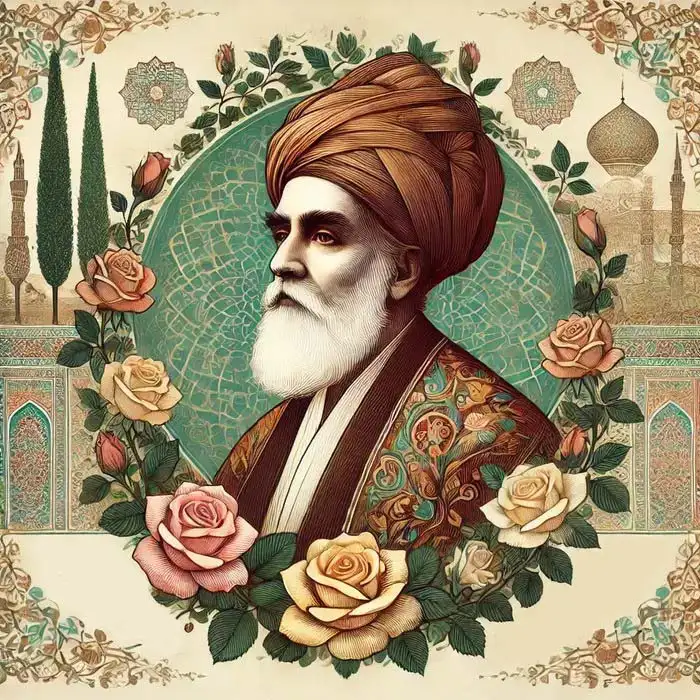
This lyrical ghazal by Hafez of Shiraz (1315–1390) beautifully captures the essence of divine love, human longing, and spiritual awakening. Through elegant metaphors of gardens, roses, and nightingales, Hafez reminds the reader that true fortune lies not in wealth or power, but in beholding the beloved’s presence—a symbol of both human affection and divine truth.
Each verse reflects the delicate balance between worldly attachment and spiritual devotion. Hafez suggests that while it is easy to renounce material desires, parting from beloved souls or divine beauty is profoundly difficult. The imagery of the garden and spring signifies renewal, purity, and the fleeting nature of life—an ever-present theme in Persian mystical poetry.
In the closing couplet, Hafez humbly addresses King Yahya, asking God to remind the ruler of his duty to nurture the humble and devout. This blend of mysticism, humility, and social insight demonstrates why Hafez’s poetry has remained timeless. His words transcend centuries, resonating with readers as a universal message of love, compassion, and spiritual reflection.
Linguistic Notes on Classical Persian Vocabulary
Hafez’s ghazal contains several expressions that showcase the depth and nuance of classical Persian. For instance, “دولت” (dowlat) in this context means fortune or spiritual blessing, rather than political “government” as used in modern Persian. Likewise, the phrase “گدایی بر خسروی گزیدن” illustrates the classical contrast between humble spiritual poverty and worldly kingship, inviting the reader to value inner richness over material power.
Another important expression, “پیراهن دریدن” (to tear one’s garment), is a traditional metaphor of emotional intensity or spiritual ecstasy. The imagery of “راز نهفته” (hidden secret) and the nightingale whispering mysteries of love reflect the symbolic language of Persian mystical poetry. These vocabulary items allow learners to appreciate not only the linguistic beauty of Hafez’s lines but also the cultural and emotional subtleties embedded in classical Persian.
Sufi Symbolism and Spiritual Themes
This ghazal is deeply rooted in the mystical tradition of Sufism, where the “beloved” often represents the Divine. Hafez’s reference to beholding the beloved’s face suggests an encounter with spiritual truth, and the “garden” becomes a symbolic space of renewal, purity, and inner awakening. The poet often uses natural elements—flowers, breeze, nightingales—to express the invisible movements of the heart and the soul’s longing for transcendence.
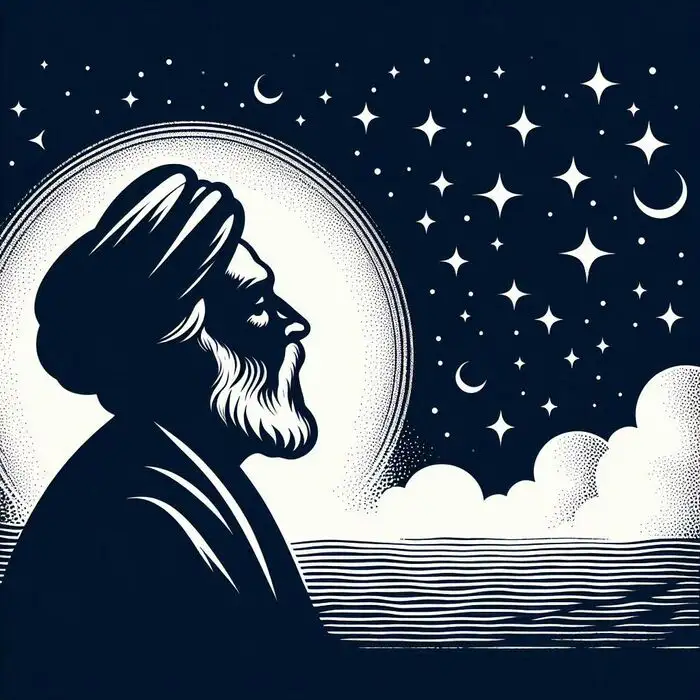
The recurring imagery of rose and nightingale is a hallmark of Persian mystical literature. The rose symbolizes divine beauty, while the nightingale represents the seeker or lover whose heart burns with desire for union. Through these symbols, Hafez communicates layered meanings that speak simultaneously to human love, spiritual yearning, and philosophical reflection.
Why Hafez’s Ghazals Help Persian Learners
Hafez’s poetry is an excellent resource for Persian language learners because it offers both linguistic richness and cultural depth. The consistent meter and musical rhythm make memorization easier, helping learners internalize pronunciation patterns and develop a sense of classical Persian prosody. Common motifs—gardens, flowers, wine, love—recur across many poems, making it easier for students to build vocabulary through meaningful repetition.

In addition, studying Hafez exposes learners to idiomatic expressions and historical forms of the language, which strengthens overall reading comprehension. Engaging with poetry also enhances cultural literacy, allowing students to understand how Persians across centuries have expressed emotion, spirituality, and philosophical thought.
Historical Context: Who Was King Yahya?
In the final couplet, Hafez addresses Shāh Yahyā, a historical ruler connected with the local governance of Shiraz during the poet’s lifetime. It was common for Persian poets to close their ghazals by referencing a patron or notable figure, often blending praise with subtle humor or gentle social critique. Hafez’s tone here is characteristically nuanced—he suggests that King Yahya may have forgotten him, while invoking God to remind the ruler of his duty to nurture and support humble seekers.

This final verse reflects both the social realities of courtly life in medieval Iran and Hafez’s skillful interplay between spiritual humility and worldly authority. Understanding this context offers readers a deeper appreciation of the ghazal’s layered meaning and the cultural environment in which it was composed.