Table of Contents
This post discusses the limitations and delimitations of my PhD thesis investigating social presence and interactivity in online second language (L2) learning communities. It examines challenges such as technical difficulties, unreliable internet connections, time-zone differences, cultural conflicts, learner attitudes, and limited collaboration. The post also explains the study’s deliberate focus on intermediate and advanced English learners, integrative computer-assisted language learning (CALL), collaborative learning, peer assessment, and intellectually challenging discussion topics to promote meaningful interaction and academic engagement.
Video of Limitations & Delimitations of My PhD Thesis on Social Presence

Limitations of the Study
On some occasions, the participants experienced some technical problems. For instance, their computers would crash, while the majority of them did not have enough computer literacy to handle it properly. As a result, the researcher felt obligated to contact them on the phone to help them fix the technical problems. These unexpected and uncontrolled disruptions that took place in our round tables could interfere with the participants’ interactive and collaborative experience in our online synchronous communication and disrupt the smooth sequence of our negotiation of meaning.
Our synchronous classes posed some time-zone-related problems for our non-Iranian students or even Iranians who lived overseas. To be more precise, students living in Australia and Canada had major issues adjusting their daily schedule to our class time in Iran. As a consequence, they would fail to follow our courses consistently, which could place some restrictions on the intended findings. For instance, the participants were occasionally absent in the class or late for it while important interviews as the main instrument of data collection and analysis were scheduled.

In our round tables, it was noticed that the majority of the participants had rather conservative attitudes to the feedback of their peers for fear that they could be corrected by them. In other words, the participants wanted their written comments and replies to be as accurate as possible on the posts of our blog, given that the blog was publicly accessible. This unfortunate condition, to the researcher’s chagrin, has also been brought up by Dudeney and Hockly (2007). This rather perfectionistic, and at the same time, individualistic attitude of the majority of the participants was regarded as an obstacle to the principal objective of the current study, i.e. creating social presence and interactivity among L2 learners in virtual classes.
On the other hand, anthropologically speaking, this study helped the researcher to come to a deeper understanding of some of the marked features of Iranians, among which a paucity of teamwork and collaboration was unfortunately almost always perceived. As a result, sometimes the researcher was feeling that his excessive efforts to prompt the participants to partake in collaborative activities could overshadow the academic milieu of our online community, thus imposing some limitations on the findings of the study.
A proportion of our participants were non-Iranians or Iranians who had spent most of their lives in foreign countries with partially or completely different cultural backgrounds. Consequently, on some occasions in our conversation class, some participants clashed with each other over some cultural issues. In point of fact, we, from time to time, experienced some heated arguments which were really difficult to manipulate. These debates, albeit productive from a conversational point of view, caused some level of hostility or defensiveness on the part of the participants toward each other, whereas the primary objective of this investigation was to account for collaborative learning and interactivity among the online L2 learners. As a result, the intensity of cultural diversities in our cross-cultural class might negatively have affected the intended results.
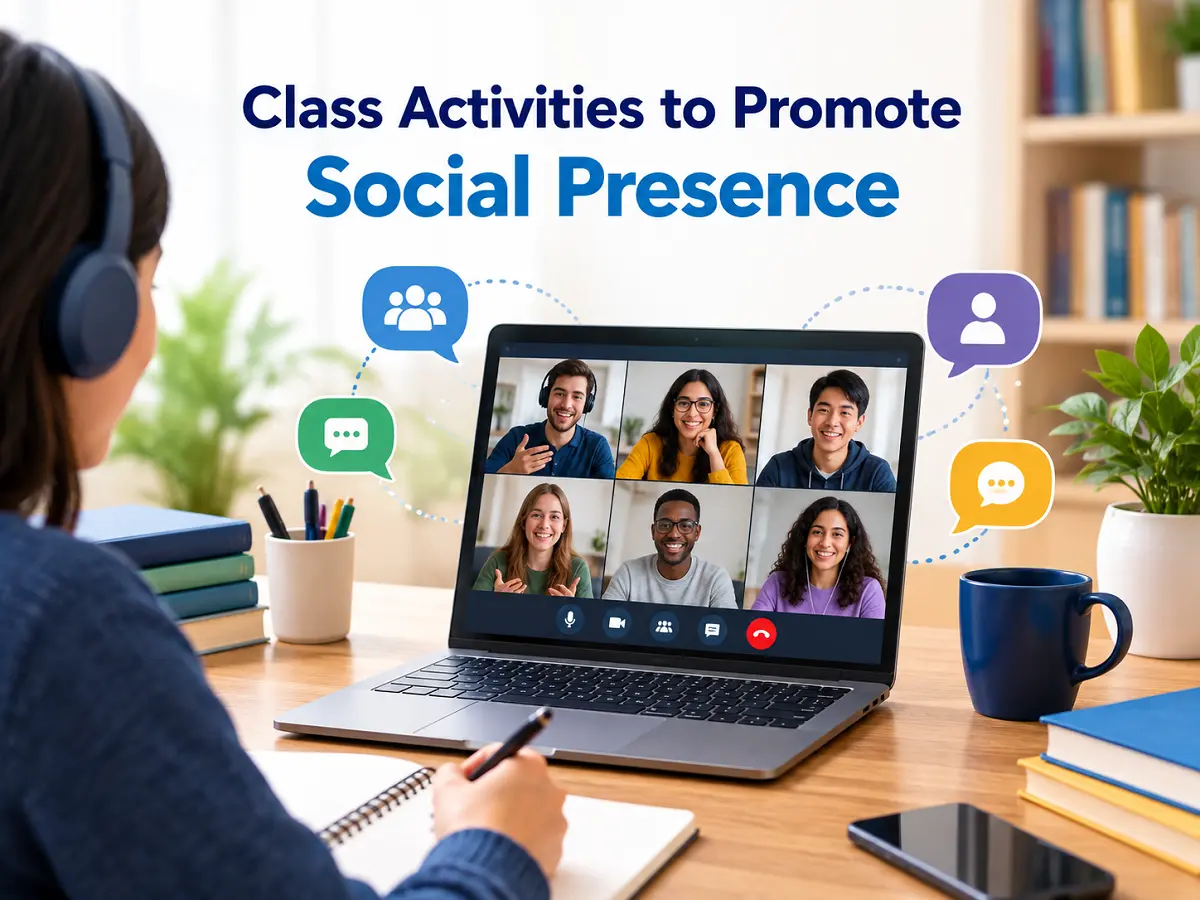
Perhaps the single biggest obstacle to carrying out this research had something to do with the low quality of the Internet in Iran, as a result of which we were not able to hold our classes smoothly and consistently. Although we basically focused on holding high-quality voice conferences (not video conferences) on Skype and Discord for our online classes, on some occasions, our internet connectivity dropped, and as a consequence, classes were disrupted. This issue sometimes disturbed the optimum level of concentration that the researcher was expected to achieve. On the other hand, it might have created a bad impression upon the participants who did not live in Iran and had a better Internet connection.
Another obstacle that could exert some unintended influence on the researcher’s findings and conclusions was deeply rooted in the attitudes of the majority of Iranians toward the Internet. As a matter of fact, even many young educated students were still pessimistic about the efficacy of the Internet for academic purposes. Therefore, the researched would spend some of the class time reassuring the incredulous participants that the Internet is not just for the sake of entertainment, namely chatting or online intimacy, and it could be used for learning second/foreign languages as well.

In addition, as affirmed by S. Nasiri and some other participants, most Iranians, especially when it comes to language learning, spend a considerable amount of money and time on some traditional and customary methods that might even make them tired (S. Nasiri, explaining about attending traditional classes in which the students have to spend so much time and energy on the way) and not yield satisfactory results from an academic and educational point of view.
This particular attitude placed some limitations on the ideal level of commitment that the participants should voluntarily have made to our virtual course. On account of some participants’ dubiousness about the effectiveness of learning English in virtual venues, they might not have given proper consideration to our interviews, which were the principal instrument of data collection and analysis, which per se could compound the subjectivity level of the intended results.
On some occasions, it was noticed that the participants were over-socializing on our online community. That is to say, according to Palloff and Pratt (2003), they were sharing intimate details of their personal lives on our online society, which was never conducive to the academic purposes upon which our community had been founded. In this case, the researcher, who was monitoring all of the online activities and events, had to contact the inconsiderate users (generally not among the participants) individually, notifying them, in simple words, that they had to shape up, or ship out. This constant monitoring took a great deal of the researcher’s time and patience, which could be used for much more constructive tasks.
Delimitations of the Study
Among various aspects of CALL, the main area of focus of this study was scrupulously narrowed down to social presence in conjunction with an integrative type of CALL, which was basically intended to build a highly successful online learning community because the researcher believes that for a CALL-oriented program in the third millennium to be really effective, a considerable amount of attention must be paid to its social dimensions, namely student-student interaction, student-teacher interaction, collaborative learning, working en masse, peer assessment, and the like.
The nature of this study in terms of being argumentative and erudite, particularly in our theme-based conversation class in which the participants were required to be well-informed, made the researcher take a selective approach to choosing only English students who were categorized according to the intermediate level of proficiency or above. Furthermore, as explained in the sampling section, the range of the participants was delimited to the young and educated learners who were motivated enough to carry out some research before attending the classes in preparation for the challenging and intellectual discussions.
Since the main purpose of our virtual classes, even in the second phase of the investigation with funded classes, was germane to this research project and not financial considerations, the researcher was rather strict with some inconsiderate participants who persistently violated our principles (e.g., not posing questions or leaving replies for our round table sessions as obligatory assignments) by, for example, alerting the uncaring participants or even those who were not serious or motivated enough to their eccentric behaviors.

Unfortunately, throughout the investigation, the researcher, against his will, had to dismiss seven students (not included in the 42 participants) from our virtual classes and refund their money on account of the following: (1) earning money was not a high priority, (2) social presence was just a means of realizing the sense of academic satisfaction in the L2 learners and not an end by itself, and (3) it was imperative to control disruptive behaviors and inadequacy of seriousness to preclude any unplanned chaos in our social context and activities.
This filtering procedure might have helped the researcher to achieve more accurate results because, as mentioned previously, social presence (not to be confused with over-socialization) was merely a means and not an end by itself. Moreover, studying a large quantity of randomly selected students at the expense of overlooking the quality of interactivity was never the cornerstone of this investigation.
To arouse the sense of curiosity in the participants, the researcher narrowed down the selection of topics to truly challenging, intellectual and thought-provoking ones for which well-informed participation was absolutely required. The participants were strongly expected to acquire some information vis-à-vis the assigned topics; otherwise, they failed to make a good contribution to the conversation class. As a matter of fact, the majority of topics were psychological and motivational, such as optimism, euphemism, carpe diem, paradigm shift, subconscious mind, comfort zone, etc. so that the participants could be encouraged to develop their best to the course by yielding valuable insights into their lives paralinguistically.
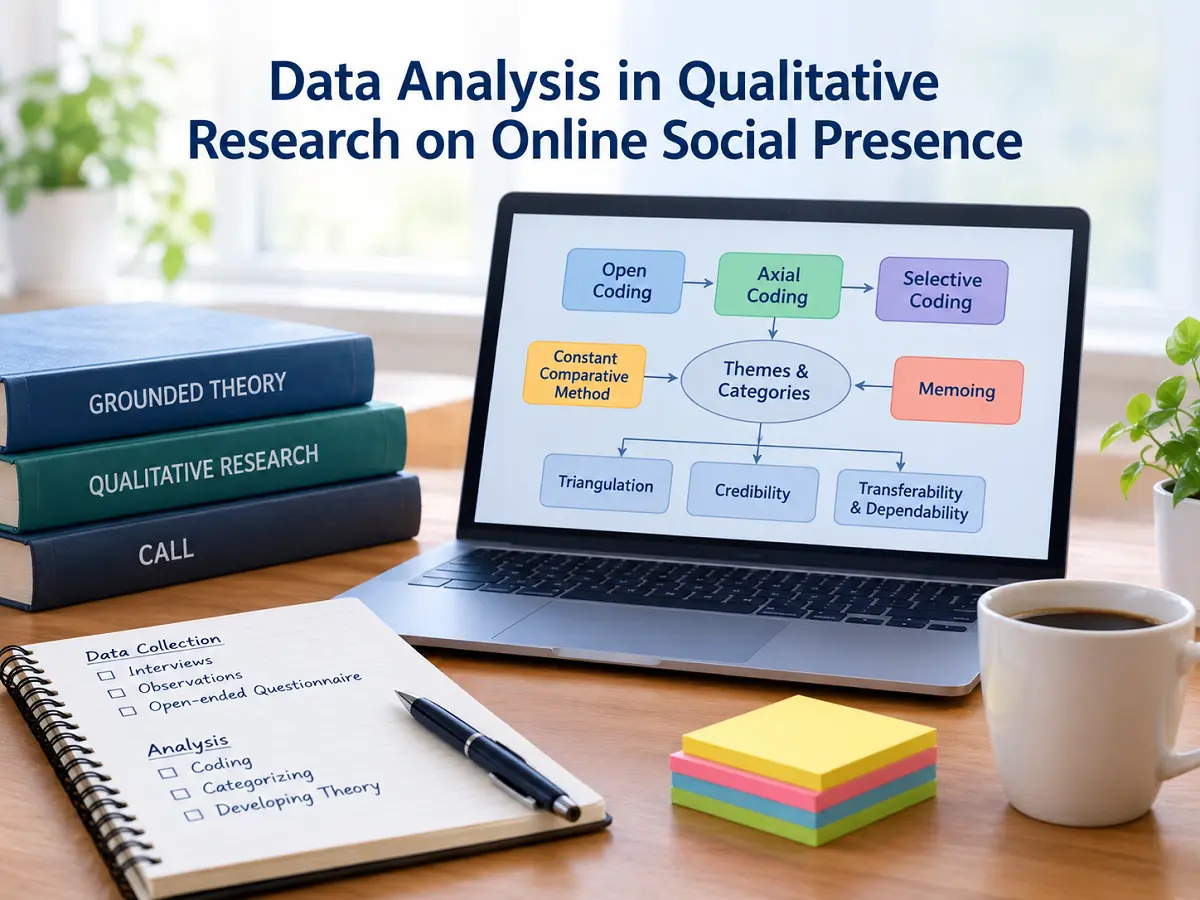
In the next chapter, in the results section, it will be attempted to delineate the data obtained through triangulation (primarily by means of our 41 semi-structured interviews) in a reporting mode. Thus, some direct quotations or in-text citations from the participants will be provided. Afterwards, in the discussion section, the data, which have been categorized and coded based on grounded theory, will be analyzed in great depth.
References
- Dudeney, G., & Hockly, N. (2007). How to teach English with technology. Harlow, UK: Pearson Education Limited.
- Palloff, R. M., & Pratt, K. (2003). The virtual student: A profile and guide to working with online learners. San Francisco, CA: Jossey-Bass.