Table of Contents
- Video of Robita Series
- Bita Hariri Asl: A Young Bilingual Member of LELB Society
- The Birth of Robita: A New Way to Practice English with AI
- How the Robita Conversations Work: Short, Natural English Practice
- Learning Through Live Conversations with a Kind AI Teacher
- A Personalized AI Companion for Meaningful English Practice
- Short, Focused, and Social Media Friendly
- Encouraging Curiosity Through Meaningful Conversations
- Helping Shy Children Build Confidence Through AI Conversations
- Practicing Both English and Persian with ChatGPT
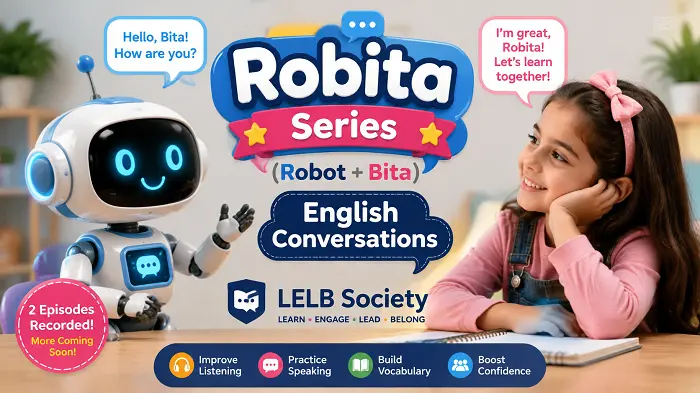
Discover the Robita Series, a creative English learning project featuring conversations between Robita, an AI-powered robot, and Bita. In each episode, children practice English through natural dialogues, questions, and everyday topics. With two episodes already recorded and more to come, Robita Series helps young learners improve listening, speaking, vocabulary, and communication skills in an engaging and enjoyable way.
Video of Robita Series

Bita Hariri Asl: A Young Bilingual Member of LELB Society
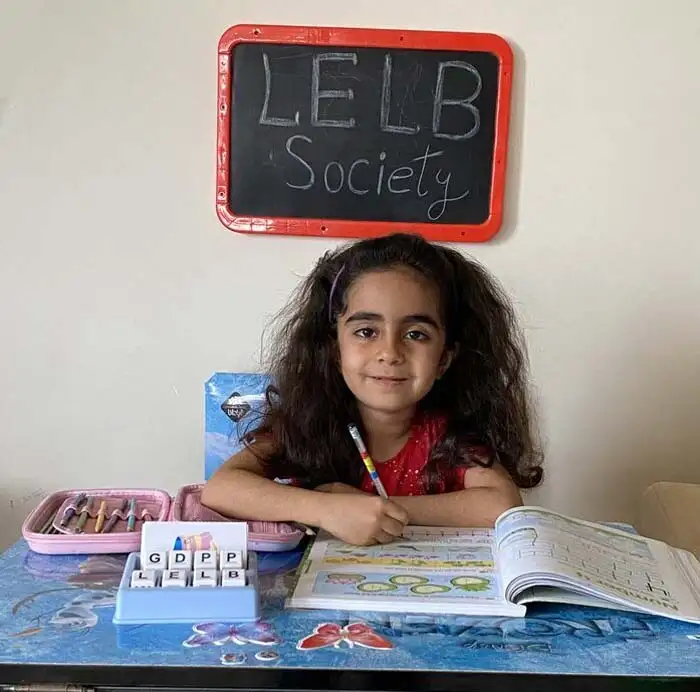
Bita Hariri Asl is Dr. Mohammad Hossein Hariri Asl’s 7-year-old daughter and a young member of LELB Society. As a bilingual child, she communicates in both Persian and English, which gives her the opportunity to explore and practice two languages naturally. Bita is currently an active participant in the Golden Summer Course (تابستان طلایی), where she engages in educational activities, shares voice messages, and practices her English and Persian skills with other young learners. Through her participation, Bita represents the spirit of bilingual learning, creativity, and active engagement at LELB Society.
The Birth of Robita: A New Way to Practice English with AI
When OpenAI ChatGPT introduced its advanced voice communication feature, allowing users to interact with AI through natural conversations instead of only typing messages, Dr. Mohammad Hossein Hariri Asl saw a unique educational opportunity. As the founder of LELB Society and an English language educator, he decided to test this new form of AI-powered communication with Bita, giving her a chance to practice English listening and speaking in a more natural and interactive environment.
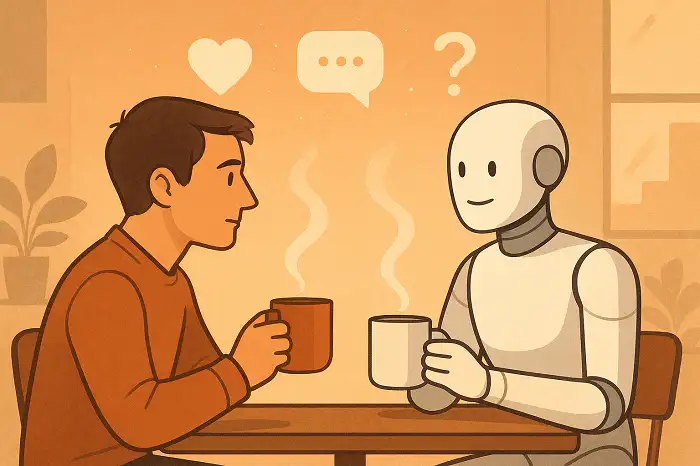
The experience exceeded expectations. During these conversations, Bita was able to communicate with the AI robot in English, ask questions, respond naturally, and develop her speaking confidence. Both Bita and her father were amazed by how engaging and realistic the conversations felt. Rather than simply studying English through traditional exercises, Bita was experiencing a meaningful dialogue where she could use English as a real means of communication.
After several conversations, Bita wanted to give a name to the robot she was talking with. This inspired Dr. Hariri to create a special name for this innovative learning experience. He coined the term Robita, a blend of Robot (OpenAI ChatGPT) and Bita. Thus, the Robita Series was born — a creative project that combines artificial intelligence, bilingual learning, and real-life English communication for young learners.
How the Robita Conversations Work: Short, Natural English Practice
Each episode of the Robita Series begins with selecting a simple and interesting topic that is suitable for young learners. After choosing the topic, Bita starts a natural conversation with the robot through a series of questions and answers. These short dialogues allow Bita to practice English listening and speaking in a relaxed environment while discussing everyday subjects in a meaningful way.
The Robita conversations are designed to be direct, simple, and engaging. Each episode lasts less than three minutes, making it suitable for sharing on social media platforms. We publish these conversations especially on our YouTube channel as YouTube Shorts and on our Instagram page as Reels, so children, parents, and English learners can easily watch and enjoy them.

Follow LELB Society on social media to receive the upcoming episodes of the Robita Series and join us in exploring a new approach to English learning through the combination of technology, creativity, and real communication.
Learning Through Live Conversations with a Kind AI Teacher
Young learners generally benefit more from synchronous, live interaction than from purely asynchronous learning. Real-time conversations encourage children to think quickly, listen attentively, and respond naturally, making language practice more engaging and meaningful. This immediate exchange closely resembles authentic communication, helping young learners build confidence while using English in realistic situations instead of simply memorizing words or completing written exercises.
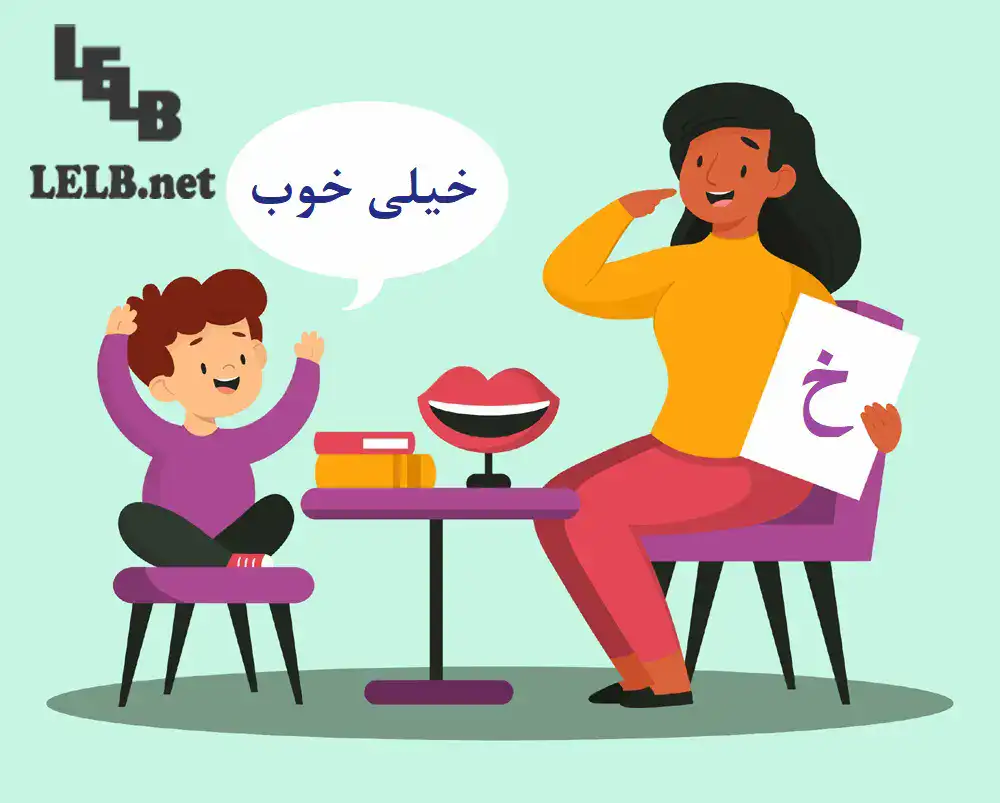
One of the greatest advantages of the Robita Series is that ChatGPT serves as a patient and supportive conversation partner. If Bita mispronounces a word or phrase, she can ask the robot to identify the mistake and provide the correct pronunciation. The robot then encourages her to repeat the word or sentence until she says it more accurately. In this way, ChatGPT acts like a kind and encouraging English teacher, offering instant feedback, gentle correction, and unlimited opportunities to practice speaking without fear of making mistakes.
A Personalized AI Companion for Meaningful English Practice
One of the unique features of the Robita Series is that the robot is not a stranger to Bita. Because she always communicates with ChatGPT while logged into her account, the AI gradually becomes familiar with her interests, conversation style, and learning preferences. This personalized experience allows each conversation to feel more natural and engaging. Instead of repeating generic dialogues, the robot can adapt its responses to topics that interest Bita, making every English conversation more enjoyable and meaningful.
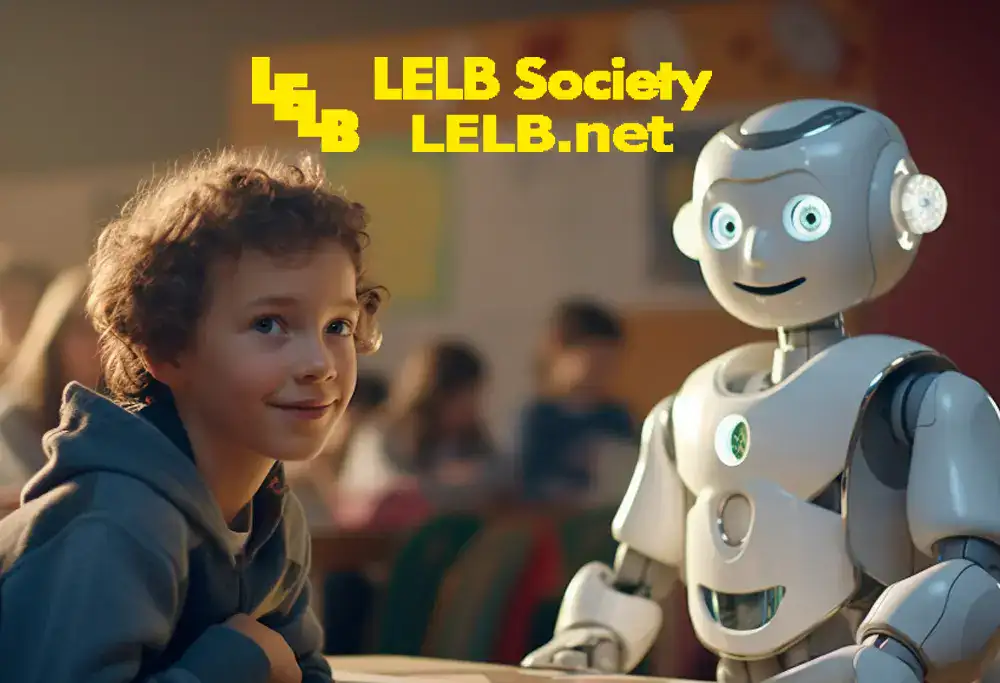
To create an even better learning environment, Bita’s father, Dr. Mohammad Hossein Hariri Asl, has carefully customized ChatGPT’s settings. He selected a warm, friendly, and supportive personality so that every conversation feels encouraging and child-friendly. In addition, Bita chose the robot’s voice herself, selecting a soft and gentle voice that she enjoys listening to. These personalized settings help transform the robot into a familiar learning companion, creating a comfortable atmosphere where Bita can practice English confidently, ask questions freely, and improve her listening and speaking skills through positive, natural interaction.
Short, Focused, and Social Media Friendly
Every episode of the Robita Series focuses on a single, easy-to-understand topic, allowing young learners to concentrate on one area of vocabulary and communication at a time. Rather than creating long lessons, Dr. Mohammad Hossein Hariri Asl keeps each conversation short, dynamic, and engaging. The natural exchange of questions and answers between Robita and Bita demonstrates how English can be used in real-life situations, making the learning experience both practical and enjoyable for children.
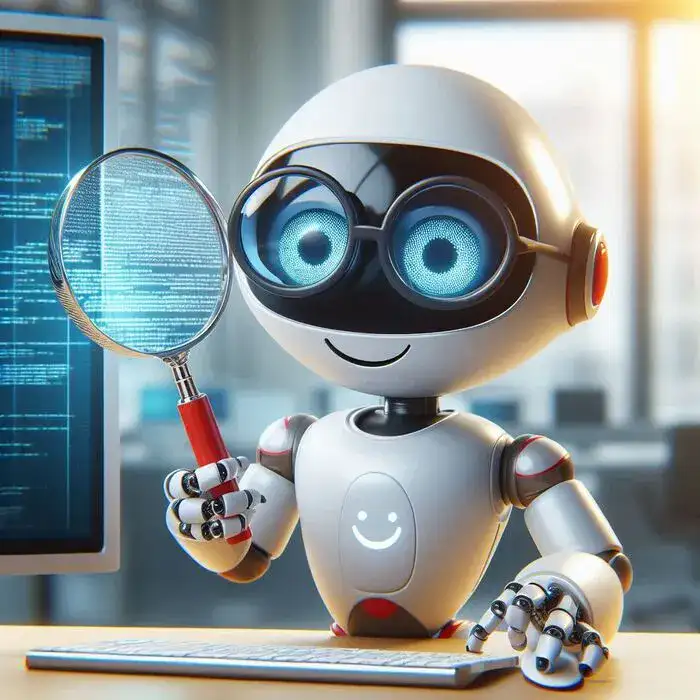
After recording each conversation, Dr. Hariri edits the video using the Instagram Edits app, which automatically generates accurate captions for the dialogue. These on-screen captions make the videos even more accessible by allowing children to listen to the conversation while reading the spoken English at the same time. As a result, the Robita Series supports listening, reading, pronunciation, and vocabulary development simultaneously, providing an intuitive and interactive learning experience for young English learners who follow LELB Society on YouTube, Instagram, and other social media platforms.
Encouraging Curiosity Through Meaningful Conversations
One of the most rewarding outcomes of the Robita Series has been the noticeable growth in Bita’s curiosity. Since she began having regular voice conversations with ChatGPT, she has become much more eager to ask questions about the world around her. Whether the topic is science, nature, language, history, or everyday life, she is enthusiastic about exploring new ideas through conversation rather than simply looking for quick answers.

Today, it has become common in our family for Bita to suggest, “Let’s ask the robot!” whenever an interesting question comes up. In her experience, the robot “knows almost everything,” which motivates her to keep learning and discovering new topics. More importantly, these conversations encourage critical thinking, active listening, and the habit of asking thoughtful questions—skills that are essential for lifelong learning.
Helping Shy Children Build Confidence Through AI Conversations
For children who are naturally shy, self-conscious, or hesitant to speak in front of others, beginning with an AI conversation partner can be a comfortable first step toward developing communication skills. Unlike a classroom or group setting, an AI-driven assistant such as ChatGPT provides a calm, patient, and nonjudgmental environment where children can practice speaking English at their own pace. They can take their time, ask for repetition, make mistakes, and try again without worrying about being criticized or embarrassed.
As children engage in regular conversations with the AI, they gradually become more confident in expressing themselves. They expand their vocabulary, improve their pronunciation, and become more comfortable participating in spoken English. Over time, this growing confidence can make it easier for them to communicate with teachers, classmates, and other English speakers in real-life situations. While AI is not a substitute for interacting with people, it can serve as an effective bridge that prepares young learners for more confident and successful communication with others.
Practicing Both English and Persian with ChatGPT
As a bilingual educational platform, LELB Society is dedicated to teaching both English and Persian, along with a variety of other educational subjects. For this reason, we have experimented with voice conversations in both languages. Our experience has shown that ChatGPT provides an engaging and effective environment for practicing Persian as well, allowing learners to develop their speaking and listening skills through natural dialogue.
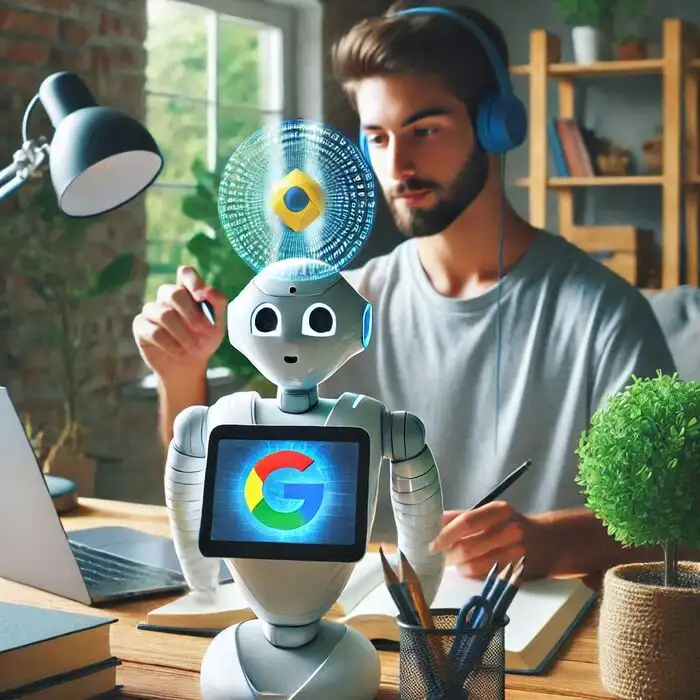
Although the results in Persian have been very encouraging, ChatGPT currently performs more accurately in English voice conversations. From time to time, the robot mispronounces certain Persian words or phrases, whereas its English pronunciation is generally more natural and consistent. Nevertheless, the technology continues to improve, and even with these minor limitations, AI-powered conversations in Persian offer an exciting new opportunity for bilingual language learning and interactive practice.