Table of Contents
- Video on the History and Significance of WordPress
- What Is WordPress?
- The Birth of WordPress in 2003
- WordPress Powering 43% of All Websites
- Why WordPress Is the Most Popular CMS?
- Open Source and an Active Global Community
- Numerous Plugins and Themes to Expand Its Functionality
- Famous Websites Powered by WordPress
- Ideal for Startups: WooCommerce, Membership Sites, and Beyond
- Conclusion
WordPress is the world’s most popular content management system (CMS), powering millions of websites from personal blogs to major brands like NASA, Vogue, and the White House. Launched in 2003 by Matt Mullenweg, WordPress has evolved from a simple blogging tool into a powerful, open-source platform that supports eCommerce, membership sites, and more. With thousands of plugins, customizable themes, and an active global community, WordPress offers flexibility, scalability, and ease of use for businesses and creators alike.
Video on the History and Significance of WordPress

What Is WordPress?
WordPress is a free and open-source content management system (CMS) that allows users to create, manage, and publish websites without needing advanced programming skills. Built primarily in PHP and using MySQL databases, it provides an intuitive dashboard for editing content, managing media, and customizing design. Whether for blogs, business sites, or eCommerce platforms, WordPress offers flexibility and scalability, making it a powerful solution for beginners and professionals alike.
The Birth of WordPress in 2003

WordPress was born in 2003 when Matt Mullenweg and Mike Little decided to build a new blogging platform based on an existing project called b2/cafelog. Their vision was to create a user-friendly, customizable, and community-driven tool for publishing content online. Over time, WordPress evolved from a simple blogging platform into a comprehensive CMS, setting new standards for accessibility and web publishing freedom. This open-source foundation laid the groundwork for its rapid growth and loyal developer community.
WordPress Powering 43% of All Websites

Today, WordPress powers more than 43% of all websites on the internet, a statistic that reflects its reliability, versatility, and user trust. From small personal blogs to massive enterprise sites, organizations choose WordPress for its ease of use, security, and adaptability. Its widespread adoption demonstrates not only its technical strength but also the dedication of a thriving community that continually enhances its core features and performance.
Why WordPress Is the Most Popular CMS?
Among all CMS options, WordPress dominates the market by offering a balance of simplicity, power, and freedom. While competitors like Drupal and Joomla appeal to more technical users, and Wix provides an easier drag-and-drop experience, WordPress uniquely combines flexibility with accessibility. It can be self-hosted and fully customized, offering full control over design and functionality — features that closed systems cannot match. This blend of control and convenience has solidified its position as the leading CMS worldwide.
Open Source and an Active Global Community

One of WordPress’s greatest strengths lies in its open-source nature and vibrant global community. Developers, designers, translators, and users contribute to improving the platform through forums, plugins, and regular updates. This open collaboration ensures constant innovation, enhanced security, and a sense of shared ownership. The WordPress community also organizes events like WordCamps and local meetups, fostering global connections and ongoing learning opportunities for everyone involved.

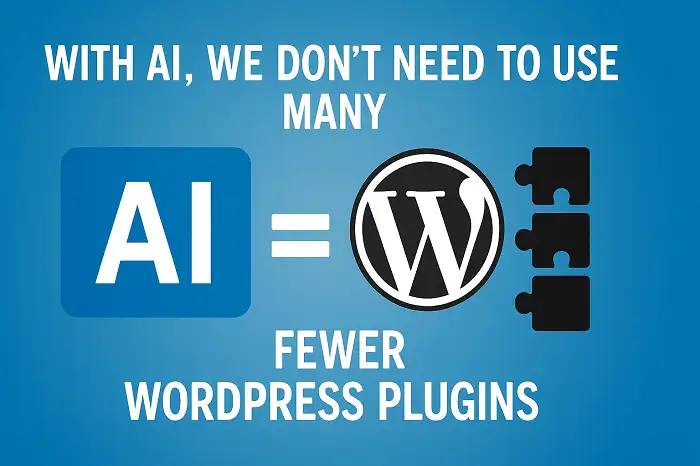
Being an open-source platform, WordPress offers unmatched flexibility for optimization and customization, especially when combined with artificial intelligence. AI tools can now perform complex coding tasks that previously required multiple plugins, resulting in faster, lighter, and more secure websites. A remarkable example is LELB Society, which hosts over 4,600 posts and 8,600 comments yet operates smoothly with only three essential plugins. All other functionalities and code optimizations have been developed and fine-tuned by Dr. Mohammad Hossein Hariri Asl using AI technologies, demonstrating how intelligent automation can enhance WordPress performance while maintaining full control over site efficiency and stability.
Numerous Plugins and Themes to Expand Its Functionality
The true power of WordPress comes from its extensive library of plugins and themes. With over 60,000 free plugins and thousands of premium ones, users can easily extend their website’s functionality — from SEO and security to eCommerce and membership systems. Themes allow complete design customization without touching code, enabling both beginners and developers to create unique, responsive websites. This flexibility is one of the main reasons for WordPress’s global success.
Although the library of WordPress plugins and themes seems almost endless, installing too many of them can do more harm than good. Each plugin or theme adds its own scripts, styles, and database queries, which may slow down your website or even cause conflicts between different components. In some cases, poorly coded plugins can create security vulnerabilities or compatibility issues after updates. Therefore, it’s best to install only the essential and trusted plugins, keep them regularly updated, and rely on custom code whenever possible to maintain optimal WordPress performance, stability, and security.
Famous Websites Powered by WordPress
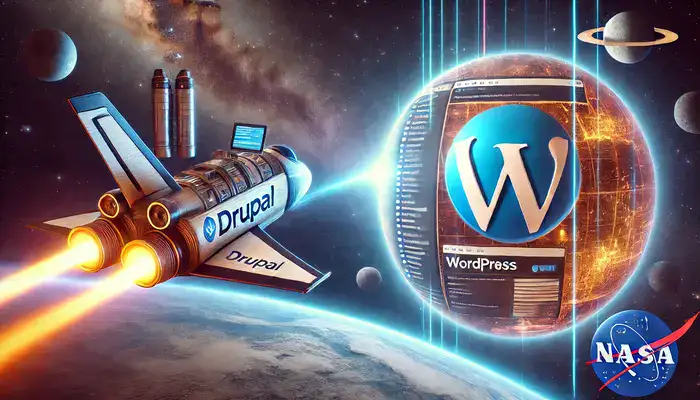
Some of the world’s most recognized brands and organizations rely on WordPress to power their websites. The White House, NASA, PlayStation, Angry Birds, and Vogue Magazine are just a few notable examples showcasing its scalability and reliability. These institutions choose WordPress because it can handle high traffic volumes while maintaining security, speed, and design flexibility. Such examples validate WordPress as a trusted choice for both creative and professional web projects.
Ideal for Startups: WooCommerce, Membership Sites, and Beyond

WordPress offers affordable and powerful solutions for startups and small businesses. Through plugins like WooCommerce, entrepreneurs can build fully functional online stores, while membership plugins help create subscription-based or educational websites like LELB Society. Its open-source framework reduces costs and allows continuous growth without vendor lock-in. For those launching new ventures, WordPress provides a flexible foundation to establish a strong online presence quickly and effectively.